
by Critters Pet Shop of South Elgin | Sep 1, 2025 | Bunnies
Bringing a bunny home for the first time? Rabbits are adorable, curious, and surprisingly particular about their food. Feeding your rabbit the right diet is essential for their long-term health, digestion, and happiness. But with so many options on the shelf, it can be hard to know where to start, especially if your bunny is still young.
Here’s what every new rabbit owner should know about building a healthy, balanced diet for their furry friend.
Start with Age-Appropriate Pellets
Young rabbits (under six months) have different dietary needs from adults. Their growing bodies require more protein, calcium, and fat, which is why it’s so important to feed them a “young rabbit” pellet formula. These are specifically designed to support healthy development and bone growth.
Feeding an adult rabbit formula to a baby bunny can lead to nutritional deficiencies and slower growth. Once your rabbit reaches adulthood, you can gradually transition them to an adult pellet with lower protein and fiber designed for maintenance rather than growth.
Always choose a high-quality pellet that lists timothy or alfalfa as the first ingredient, depending on your rabbit’s age.
Hay, Hay, and More Hay
No matter your rabbit’s age, hay should make up the majority of their diet. It’s crucial for digestion and helps wear down their ever-growing teeth. Young rabbits can eat alfalfa hay, which is richer in calories and nutrients. Once they reach adulthood, switch to timothy, orchard grass, or oat hay, which provide plenty of fiber without excessive calcium.
Make sure fresh hay is always available in your rabbit’s enclosure. Refill it daily and keep it clean and dry.
Fresh Veggies in Moderation
Once your bunny is around 12 weeks old, you can begin introducing leafy greens one at a time. Romaine, cilantro, parsley, and dandelion greens are all great options. Avoid iceberg lettuce and anything high in oxalates or sugar.
Start with small portions to see how your rabbit’s digestive system reacts. Too much too soon can cause stomach upset or diarrhea.
Treats and Fruits—Only Occasionally
Bunnies have a sweet tooth, but sugary treats should be rare. Tiny bits of banana, apple, or carrot can be offered sparingly. Think of them as dessert, not part of the main meal.
Final Tip: Fresh Water Always
Your rabbit should always have access to clean, fresh water, either in a heavy ceramic bowl or a water bottle attached to their enclosure. If you have any questions, contact Critters Pet Shop of South Elgin.
by Critters Pet Shop of South Elgin | Aug 15, 2025 | Lizards
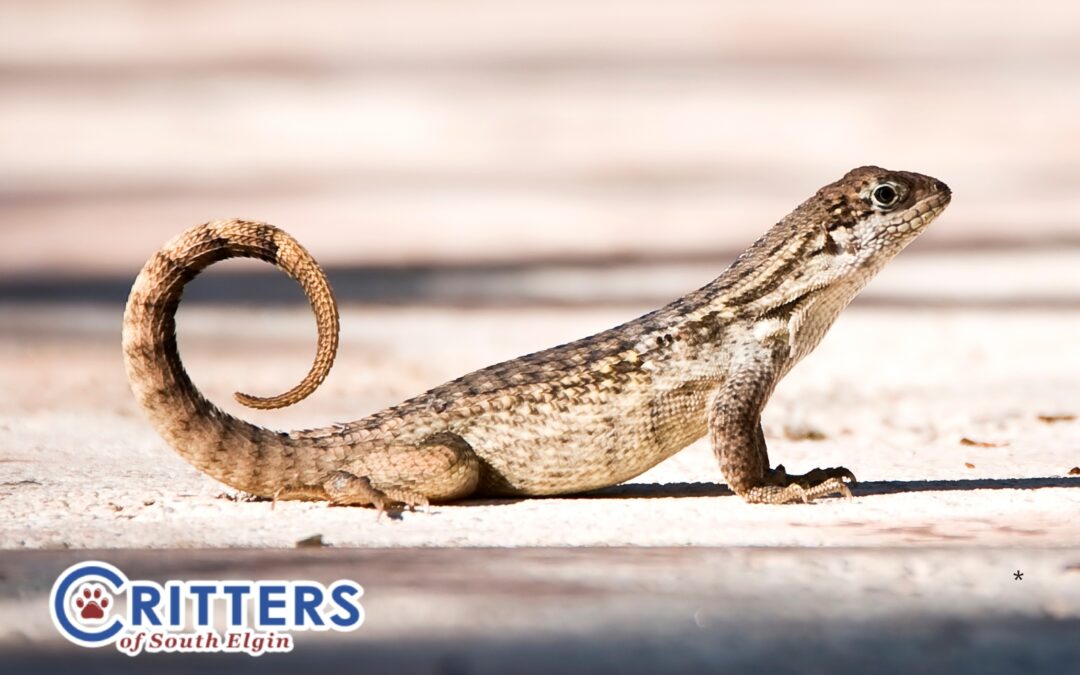
Geckos are fascinating, low-maintenance pets, but when it comes to feeding them, it’s important to get it right. Unlike many reptiles, most pet geckos are insectivores, meaning their diet should be made up almost entirely of live insects.
Whether you’re caring for a leopard gecko, crested gecko, or another popular species, here’s a quick guide to what your gecko should and shouldn’t eat.
Crickets: A Staple in the Gecko Diet
Crickets are one of the most common (and affordable) feeder insects. They’re high in protein, easy to digest, and geckos love the chase. Be sure to buy crickets from a reputable source and gut-load them (feed them nutrient-rich food like leafy greens or commercial cricket diets) 24 hours before offering them to your gecko. Dusting crickets with calcium or vitamin D3 powder helps support bone health and prevent metabolic bone disease, especially in young or growing geckos.
Mealworms: A Hearty Treat
Mealworms are another popular option, though they’re a bit higher in fat and can be harder to digest due to their thicker exoskeleton. They’re best offered as a supplement to your gecko’s main diet, not as the only food source. Like crickets, they should be gut-loaded and occasionally dusted with calcium or multivitamin powder. Some geckos love them, while others might be pickier, so offer them in moderation and see how your pet responds.
Small Dubia Roaches: A Nutrient-Packed Option
Dubia roaches are highly nutritious, lower in fat than mealworms, and easy to digest. Many gecko owners prefer them because they don’t chirp, smell, or jump like crickets. Make sure to choose the right size roach, nothing larger than the space between your gecko’s eyes. Smaller dubia roaches are ideal for young, small, or picky eaters and are often well-tolerated by geckos of all ages.
Fruit Flies: Great for Juvenile Geckos
If you’re caring for a hatchling or very young gecko, fruit flies are a safe and manageable food option. They’re tiny, easy to eat, and offer enough protein to help your gecko grow strong and healthy. Flightless fruit flies are available at many pet stores and are simple to culture at home if needed.
No Salads, Please
Unlike bearded dragons or iguanas, geckos aren’t built to digest leafy greens, fruit, or vegetables. Their digestive systems are designed for insects, not plant matter so skip the salad bar and stick to live bugs for a healthy, happy gecko. If you have any questions, contact Critters Pet Shop of South Elgin.
by Critters Pet Shop of South Elgin | Aug 1, 2025 | Microchip
Every year one in three pets wanders off or gets stolen. Collars and ID tags help, yet they break, slip off, or an opportunist removes them. A microchip, no bigger than a grain of rice, stays with your pet for life. Because the chip stores a unique ID number, any shelter or clinic can instantly link the animal back to you.
1. Real Numbers, Real Peace of Mind
-
Dogs: Shelters return more than 50 % of microchipped dogs to their families, while fewer than 20 % of unchipped dogs ever make it home.
-
Cats: The gap grows wider for felines. Staff scan a chipped cat and reunite it with its people nearly 40 % of the time, yet unchipped cats go home only 2–3 % of the time.
2. Lost, Stolen… and Reunited Hundreds of Miles Away
Imagine a Kansas family’s Labrador mix vanishing from the backyard. Eighteen months later, a Colorado shelter scans the dog’s chip and calls the stunned owners. Similar success stories pop up every week, proving that a microchip shrinks a thousand-mile distance to a single phone call.
3. A Low-Cost Insurance Policy
Most clinics, rescues, and pet stores, Critters included offer microchipping for $20–$40. That fee costs less than a tank of gas. Therefore, the chip becomes one of the cheapest forms of “insurance” you can buy for your pet.
4. Registration Makes the Magic
Implanting the chip solves only half the equation. You must register it and keep your phone number current. We recommend 24Petwatch.com because the company provides:
Consequently, a quick database search will always point rescuers to the right household.
5. Simple, Safe, and Battery-Free
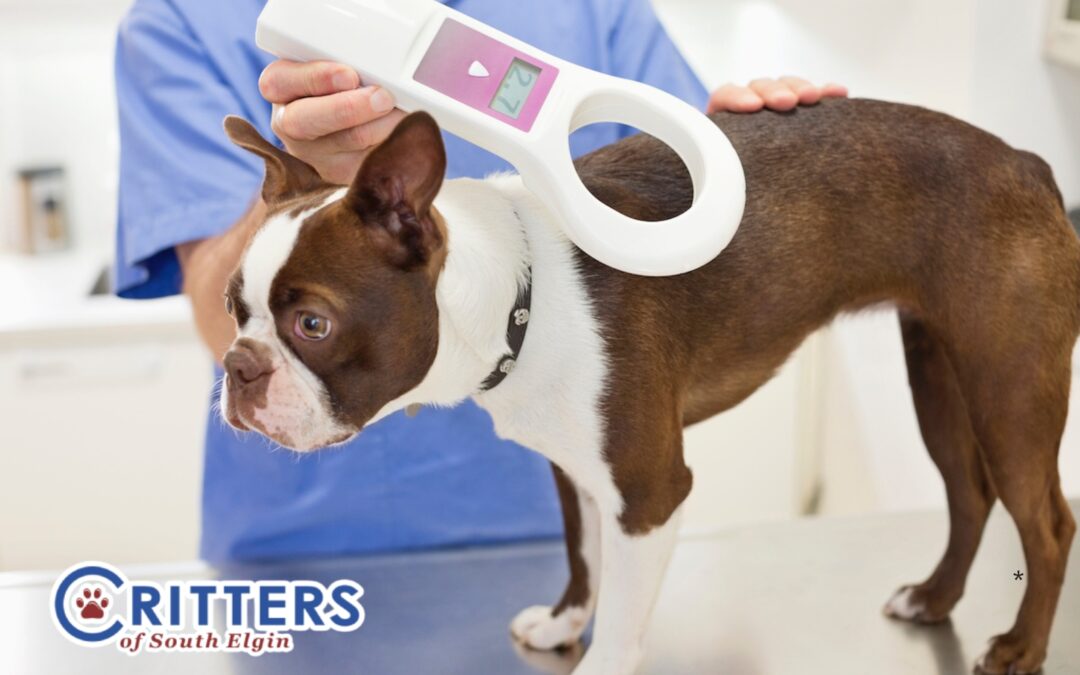
Your veterinarian injects the chip between the shoulder blades during a routine visit. Pets react the same way they do to a vaccination, one quick yelp, then back to tail wags. Because the chip contains no battery, it never tracks location or generates heat; instead, a handheld scanner powers it for a split-second read.
How to Get Your Pet Chipped
-
Critters Pet Shop Clinics: We host regular microchip events that include lifetime registration.
-
Veterinary Offices: Many vets chip pets during annual exams.
-
Shelters & Rescues: Adoption fees often cover a chip, making the transition to your home even easier.
A microchip costs pocket change, yet it delivers priceless peace of mind. Chip your pet, register the number, and relax, your four-legged friend has a permanent ticket home.
Questions? Stop by Critters Pet Shop or call us any time. We’re happy to walk you through the process and register your chip on the spot.

by Critters Pet Shop of South Elgin | Jul 15, 2025 | Bunnies
Spring and summer are prime seasons for spotting wildlife in your yard, including baby bunnies tucked into shallow nests. If you stumble upon a litter of tiny rabbits nestled in the grass, your first instinct might be to scoop them up and help. But in most cases, the best thing you can do is leave them where they are.
Here’s what you should know if you discover baby bunnies in your yard.
Don’t Kidnap the Bunnies
It’s easy to assume a nest of bunnies has been abandoned, especially since mother rabbits are rarely seen nearby. But that’s completely normal. Wild rabbits are very hands-off parents. A mother rabbit visits her nest once or twice a day, usually at dawn or dusk, to avoid attracting predators. The rest of the time, she leaves her babies hidden.
So if you don’t see mom, that doesn’t mean she’s gone. She’s likely nearby, watching and waiting for a time to return.
How to Recognize a Nest
Rabbit nests are typically shallow depressions in the ground, often lined with grass, leaves, and tufts of the mother’s fur. They’re commonly found in backyards, gardens, and even under shrubs: places you wouldn’t expect such vulnerable creatures to be.
If you spot a nest while mowing the lawn or letting your dog out, mark the area with small garden flags or string to avoid disturbing it.
What You Should Do
- Leave the bunnies where they are. Resist the urge to touch or move them.
- Keep pets and children away. Use fencing or temporary barriers to protect the nest.
- Check for signs of injury. If a bunny appears cold, injured, or covered in flies, contact a local wildlife rehabilitator.
- Test if mom is returning. Place a few small sticks over the nest in a grid pattern and check back the next day. If the sticks are disturbed, mom has likely returned and fed them.
When to Call for Help
Baby bunnies rarely need human intervention. However, if the nest has been destroyed, the bunnies are clearly orphaned (eyes closed and alone for more than 24 hours), or a pet has injured them, it’s time to contact a licensed wildlife rehabilitator like Anderson Humane.
Anderson Humane
Anderson Humane’s Wildlife Center
(847) 697-2880 x25
45W061 IL-38
Elburn, IL 60119
wildlife@ahconnects.org
Open 9 AM to 5 PM seven days a week.
https://ahconnects.org/wildlife/
Let Wildlife Be Wild
It’s a gift to witness nature so close to home, but sometimes the best way to help is to do nothing at all. Let the bunnies stay, and with a little luck, you’ll see them hop off on their own in just a few weeks. If you have any questions, be sure to contact the experts about bunnies at Critters Pet Shop of South Elgin.
by Critters Pet Shop of South Elgin | Jul 1, 2025 | Dog Supplements
As the 4th of July approaches, pet parents across the country start to worry about how their dogs will handle the fireworks. Loud booms, flashing lights, and the general chaos of the holiday can leave many pups anxious or downright terrified. The good news? There are safe, effective supplements you can give your dog to help ease their stress, not just on the day itself, but in the days leading up to it.
Preparing early can make a big difference in your dog’s comfort and behavior. Here’s what to know.
Start Calming Support a Few Days Before
If your dog has shown fear or anxiety during past fireworks displays, it’s a smart idea to start supplement support 3–5 days in advance of the holiday. This allows calming ingredients to build up in their system and helps your pup settle into a more relaxed baseline before the festivities begin.
Susie’s CBD Dog Treats: A Natural Favorite
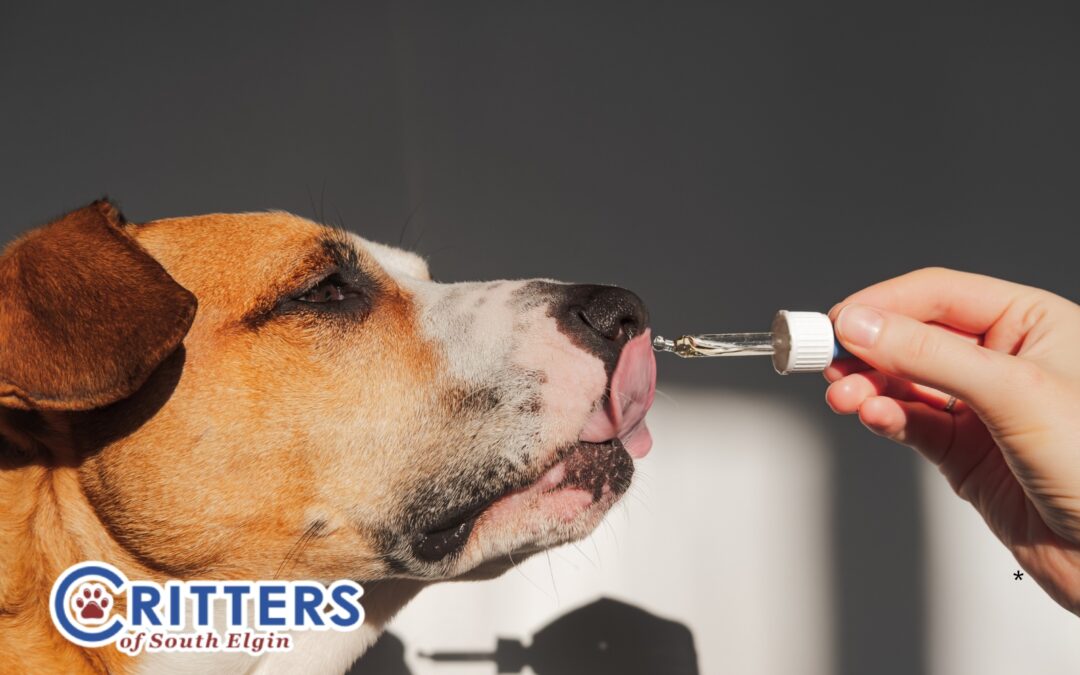
One of the most trusted and effective supplements we recommend is Susie’s CBD Dog Treats. These full-spectrum hemp cookies are designed specifically for dogs and contain calming compounds that can help ease anxiety, promote relaxation, and support your dog’s nervous system without making them feel groggy or “out of it.”
- Made with full-spectrum hemp oil
- No artificial additives or fillers
- Ideal for firework stress, separation anxiety, or general nervousness
- Vet-approved and made in small batches
They’re easy to dose by weight and are best given about an hour before the fireworks start—but starting a few days early can help your dog respond even better.
Other Helpful Supplements to Consider
- L-theanine or L-tryptophan: Naturally occurring amino acids known to reduce stress and support mood stability in dogs.
- Melatonin: Can be effective for dogs with noise phobias, but always consult your vet for dosing.
- Calming chews: Many options include blends of chamomile, valerian root, and passionflower—gentle herbal ingredients that promote a sense of calm.
- Pheromone diffusers or sprays: While not a supplement, they mimic calming signals and can be used alongside chewable options.
Talk to Your Vet & Plan Ahead
Every dog is different, and it’s always wise to check with your veterinarian before introducing a new supplement. With a little preparation and the right products, your dog can feel safer and more at ease this 4th of July.