by Critters Pet Shop of South Elgin | Sep 29, 2025 | Tips & Suggestions
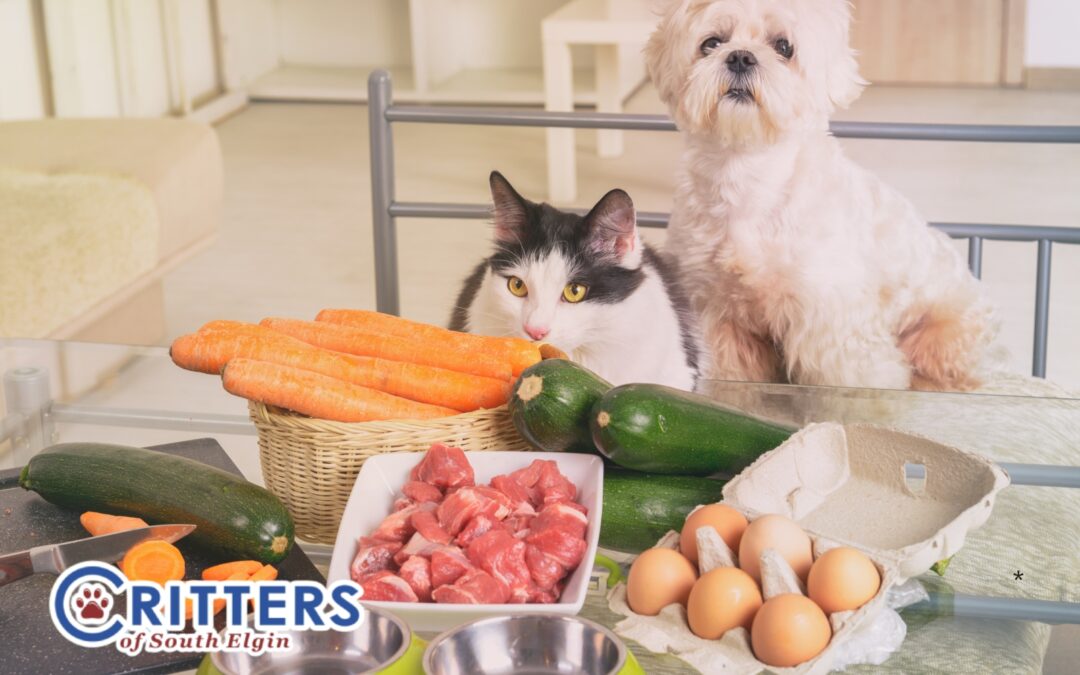
Your pantry can hide hazards for cats and dogs. Use this quick guide to spot the biggest kitchen risks, keep curious noses safe, and act fast if something goes wrong.
The Top 10 Kitchen Hazards
1) Chocolate
Why it’s dangerous: Theobromine and caffeine overstimulate the heart and nervous system.
Extra risky: Dark and baking chocolate. Even small amounts can cause trouble.
2) Grapes & Raisins
Why it’s dangerous: They can trigger sudden kidney failure in dogs—even in tiny amounts.
Tip: Keep trail mixes and baked goods out of reach.
3) Onions, Garlic, Chives
Why it’s dangerous: Compounds damage red blood cells and can cause anemia in dogs and cats.
Hidden sources: Stocks, sauces, gravies, spice blends, baby food.
4) Xylitol (a.k.a. “birch sugar”)
Why it’s dangerous (dogs): Causes a rapid, dangerous drop in blood sugar and can lead to liver failure.
Hidden sources: Sugar-free gum/candy, baked goods, some peanut butters, dental products, drink mixes.
5) Alcohol
Why it’s dangerous: Even small amounts can cause vomiting, wobbliness, drops in body temperature, and coma.
Watch-outs: Spilled cocktails, uncooked yeast batter, fermenting fruit.
6) Avocado
Why it’s dangerous: Persin can upset dogs (vomiting/diarrhea) and is toxic to birds and small pets.
Note: Pits also pose a choking/obstruction risk.
7) Macadamia Nuts
Why it’s dangerous (dogs): Can cause weakness, tremors, vomiting, and fever.
Hidden sources: Cookies, nut mixes, crusts.
8) Caffeine (coffee, tea, energy drinks)
Why it’s dangerous: Stimulant effects can lead to restlessness, rapid breathing, abnormal heart rhythms, or seizures.
Also risky: Coffee grounds and tea bags.
9) Raw Dough with Yeast
Why it’s dangerous: Dough expands in the stomach (bloat risk) and fermentation produces alcohol.
Seasonal alert: Bread- and pizza-making days.
10) Fatty or Greasy Foods
Why it matters: Not always “toxic,” but they can trigger pancreatitis—painful and potentially serious.
Examples: Bacon fat, skin drippings, rich gravies, fried leftovers.
What to Do If Your Pet Eats Something Risky
-
Call your veterinarian immediately. Time matters.
-
Or call ASPCA Animal Poison Control: 888-426-4435. Keep the number on your fridge.
-
Don’t wait for symptoms. Some toxins cause delayed damage.
-
Don’t induce vomiting unless a professional tells you to. Certain items can cause more harm on the way back up.
-
Bring details: What was eaten, how much, when, your pet’s weight, and the packaging/ingredient list if possible.
Everyday Prevention That Works
-
Create a “no-share” rule at the table. Family and guests should skip hand-outs.
-
Secure the trash and compost. Use latching lids; take out the trash after parties.
-
Store smart. Keep baking chocolate, gum, nuts, and dough on high shelves or in closed bins.
-
Label the risky stuff. Put a bright dot on products with xylitol.
-
Offer safe swaps. Ask us about dog- and cat-safe treats, puzzle feeders, and chews that satisfy curiosity without the risk.
-
Make a plan. Save your vet’s number and ASPCA Poison Control in your phone.
Quick-Reference List (Pin This)
Chocolate, grapes/raisins, onions/garlic/chives, xylitol, alcohol, avocado, macadamia nuts, caffeine, raw yeast dough, fatty/greasy foods.
A few simple habits can prevent big problems. If you’re unsure about a specific food or ingredient, call your vet or stop by Critters Pet Shop, we’re happy to help you choose safe treats and set up a kitchen-proof routine. 🐾
by Critters Pet Shop of South Elgin | Sep 22, 2025 | Tips & Suggestions
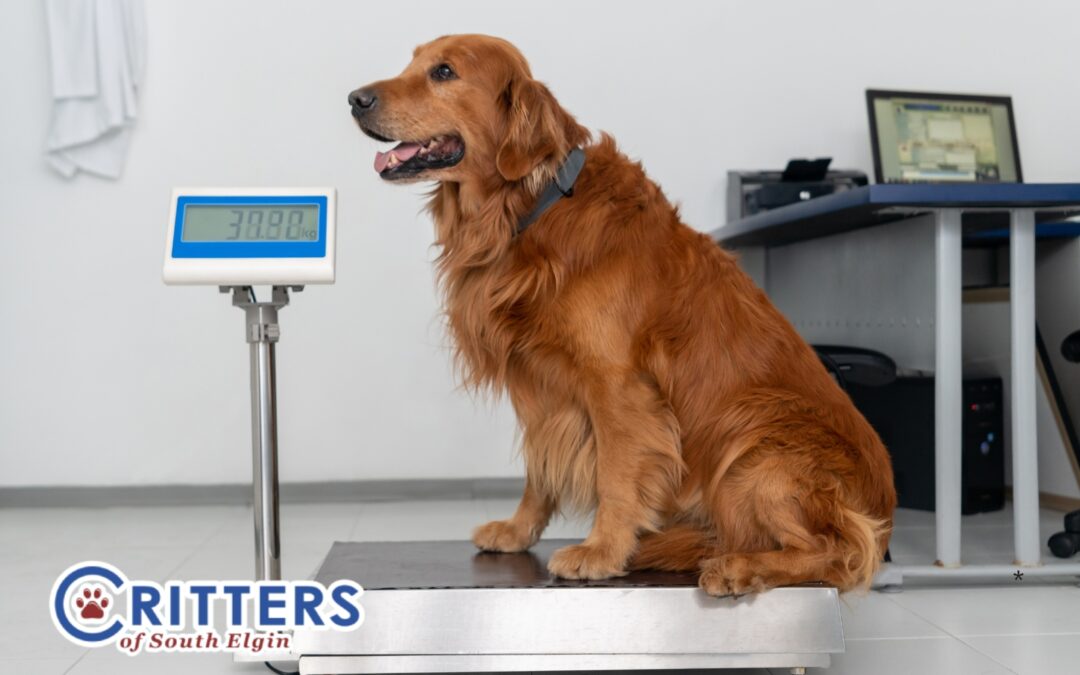
Carrying extra pounds doesn’t just change how a pet looks, it can affect how they feel, move, and even how long they live. Use the quick checks below to spot early signs and start a safe, sustainable plan.
Quick At-Home Body Check
1) The “Feel the Ribs” Test
-
Run your hands flat along your pet’s sides.
-
You should feel each rib easily without pressing hard, like touching the back of your hand.
-
If you can’t feel ribs at all, there’s likely extra fat. If ribs look sharply visible, that’s too thin.
2) Check the Waistline
-
From above: there should be a visible waist, an inward curve behind the ribs.
-
From the side: look for a belly tuck (an upward slope from chest to hips).
-
A straight line or rounded belly usually means extra weight.
3) Movement & Energy
-
Tires quickly on walks, pants more than usual, or avoids stairs and jumping.
-
Cats may stop grooming their lower back or tail base because it’s hard to reach.
4) Behavior Changes
-
Less interest in play or walks.
-
Stiffness getting up, reluctance to jump, or an occasional limp (extra weight can stress joints).
Why Extra Weight Matters
Overweight pets face higher risks of:
Even a few extra pounds can push joints and organs harder than you think.
What To Do Next
1) Get a BCS From Your Vet
Ask for a Body Condition Score (BCS) on a 1–9 or 1–5 scale. Your vet will set a healthy target and a safe rate of loss (usually 1–2% of body weight per week).
2) Audit the Bowl & the Treat Jar
-
Measure every meal with a scoop or gram scale.
-
Track treats and table scraps; aim for ≤10% of daily calories from treats.
-
If family members are sneaking snacks, set a daily treat “budget” everyone can follow.
3) Adjust Portions—Gradually
-
Start by reducing total daily calories ~10% (your vet can tailor this).
-
Choose a high-quality, complete diet appropriate for life stage and activity.
-
If your pet needs fewer calories but still acts hungry, ask about higher-fiber or weight-management formulas.
4) Use Toppers—But Count Them
Freeze-dried toppers can boost flavor and nutrition for picky eaters. If you use them, keep the meal balanced:
-
A simple guide is the 80/20 approach: replace about 20% of the bowl with a complete, balanced topper (not add on top), and reduce the base food accordingly so calories don’t creep up.
-
Always check the label; not all toppers are “complete and balanced.” When in doubt, ask your vet.
5) Move More—Make It Fun
-
Dogs: add a 10–15-minute sniff walk or two short play bursts (fetch, tug) daily.
-
Cats: schedule two 5-minute wand-toy sessions and introduce a puzzle feeder to turn meals into activity.
-
Aim for small, consistent changes rather than a single long weekend workout.
6) Track Progress
-
Weigh weekly on the same scale and time of day.
-
For cats, weigh yourself, then weigh yourself holding the cat; subtract the difference.
-
Snap monthly photos (side and top views) to see shape changes you might miss daily.
When To Call the Vet Sooner
-
Sudden weight gain or loss
-
Labored breathing, constant coughing, or heat intolerance
-
Pain, persistent limping, vomiting, or notable changes in thirst/urination
These could signal medical issues that need attention before starting a weight-loss plan.
The Bottom Line
A healthy weight protects joints, supports the heart, and helps pets feel playful again. Start with the rib test and waist check, tighten up portions, build in a little daily movement, and partner with your veterinarian for a plan you can maintain.
If you’d like help choosing food, measuring portions, or picking enrichment toys, stop by Critters Pet Shop, we’re happy to set you up with a simple, sustainable routine. 🐾
by Critters Pet Shop of South Elgin | Sep 15, 2025 | Guinea Pigs
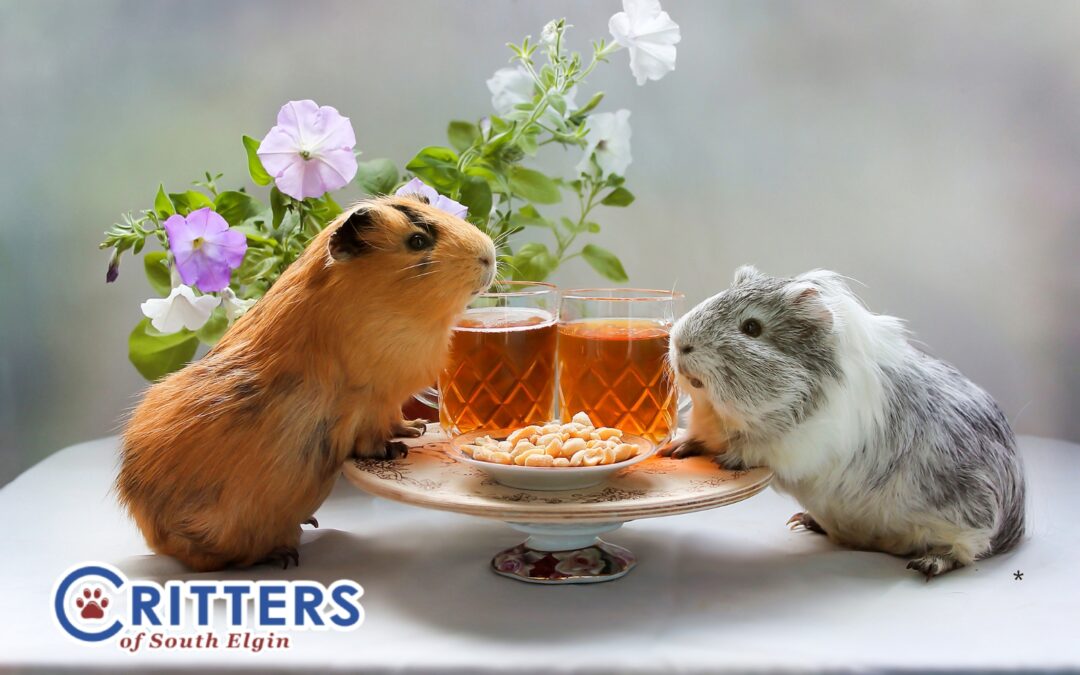
Ever look at a guinea pig cage and wonder if it’s really set up for comfort? These little animals might seem easygoing, but they have very real preferences when it comes to where they sleep, play, and eat. Their bedding, cage size, and layout can have a big impact on their health and happiness.
A well-designed habitat is more than just a place to keep them contained. It’s their home, playground, and safe space all in one. When you choose the right materials, keep things clean, and give them plenty to explore, you’re setting them up for a long, healthy life.
Comparing Bedding Types: Comfort, Odor Control, and Safety
Guinea pigs love having a soft place to walk, sleep, and play. Paper bedding feels nice under their feet and soaks up pee really well, which helps keep smells down. Fleece liners are like cozy blankets you can wash and use again. Just make sure they stay clean. Stay away from cedar and pine wood shavings, because the strong smells can make guinea pigs sick.
How Cage Size and Layout Impact Guinea Pig Health
Even though guinea pigs are small, they need lots of room to run and explore. A cage that’s too tiny can make them bored or unhealthy. The bigger the cage, the better! Make sure they have a space for food and water, places to hide, and open areas to run around. A fun setup keeps them active and happy.
Keeping Habitats Clean Without Stressing Your Pets
No one likes a stinky bedroom, and guinea pigs are the same. Clean up dirty spots every day so their home smells fresh. Once a week, change all the bedding and give their cage a good scrub.
While you clean, let your guinea pigs play in a safe pen so they can have fun instead of worrying about the noise and movement.
Enrichment Items That Encourage Natural Behaviors
Guinea pigs love to have fun!
They enjoy exploring new places, chewing on safe toys, and hiding in cozy spots. You can give them tunnels to run through, cardboard boxes to play in, and wooden chew toys to nibble. Even a paper bag or a toilet paper tube filled with hay can be exciting for them. Change their toys and move things around sometimes to keep life fun.
Happy guinea pigs will squeak, zoom, and show they’re having a great time. For more tips and suggestions, stop by Critters Pet Shop of South Elgin today!.
by Critters Pet Shop of South Elgin | Sep 8, 2025 | Tips & Suggestions
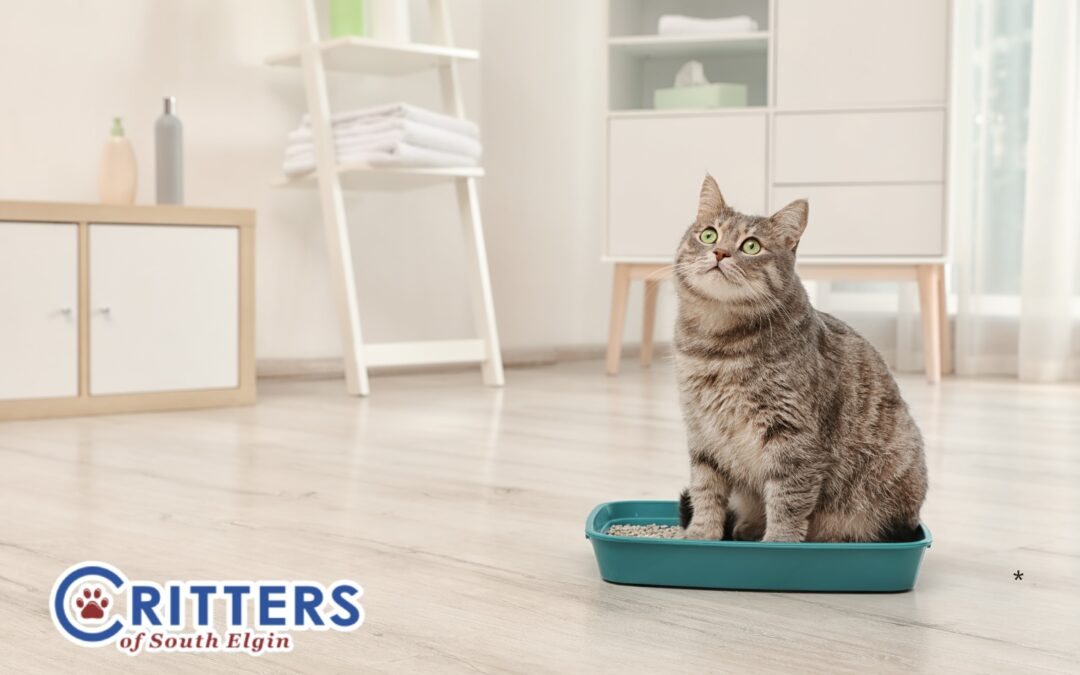
One of the most common (and frustrating) issues cat owners face is when their cat suddenly stops using the litter box. While it might feel like your cat is being “naughty,” most of the time, it’s their way of telling you something isn’t right.
Here are the top reasons behind litter box problems—and how you can help:
1. The Box Isn’t Clean Enough
Cats are naturally clean animals. If the litter box smells or hasn’t been scooped recently, many cats will look for a cleaner spot (like your rug).
Solution: Scoop daily, wash the box weekly, and replace litter regularly.
2. Litterbox Location
Cats like privacy and quiet when they use the bathroom. If the litter box is in a busy hallway, near loud appliances, or too close to their food, they may avoid it.
Solution: Place litter boxes in calm, low-traffic areas where your cat feels safe.
3. Not Enough Boxes
The golden rule: one box per cat, plus one extra. Multiple cats sharing one box can cause territorial issues and stress.
Solution: Add more boxes in different areas of the house.
4. Litter Preferences
Some cats dislike certain textures or scents in litter. Switching brands, using heavily perfumed litter, or filling the box too high can all cause problems.
Solution: Try different litters—unscented clumping litter is often a safe bet.
5. Medical Issues
If your cat suddenly stops using the litter box, a health problem might be the cause. Urinary tract infections, bladder stones, arthritis, or digestive troubles can all make it painful or difficult to use the box.
Solution: Always rule out medical issues with a vet visit.
Cats don’t avoid the litter box out of spite—they’re communicating. By keeping their box clean, providing options, and watching for signs of stress or illness, you can get your cat back on track and keep your home accident-free.
Why Cats Scratch (and How to Save Your Furniture)” – explain the natural reasons behind scratching and how to redirect it.
- Explain the natural instincts behind it:
- Nail Maintenance – scratching helps cats shed the dead outer layer of their claws.
- Stretching & Exercise – it’s like yoga for cats; scratching gives them a full-body stretch.
- Territory Marking – scratching leaves both a visual markand a scent mark from glands in their paws.
- Stress Relief & Fun – cats scratch when they’re excited, anxious, or just plain happy.
- Furniture often has theperfect texture (cloth, wood, leather).
- Placement: couches, chairs, and door frames are often in high-traffic areas, ideal for marking.
- Cats scratch where people spend time—it’s a way of being part of the “social hub.”
by Critters Pet Shop of South Elgin | Sep 1, 2025 | Tips & Suggestions
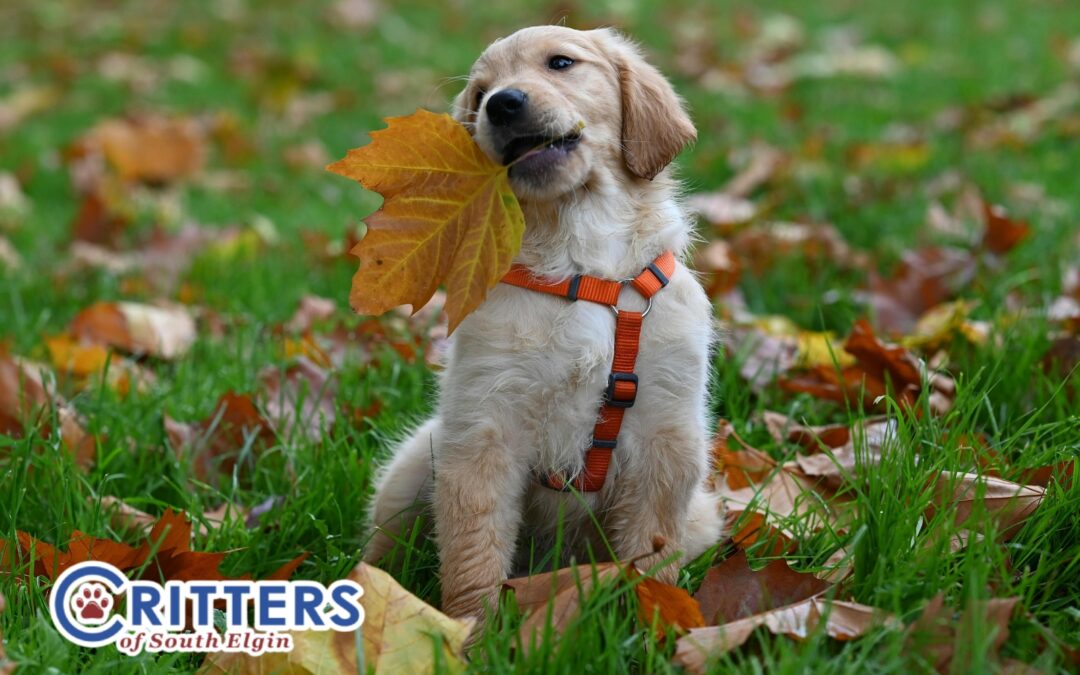
Ever notice how your pet seems to turn into a walking fluff factory the moment Fall rolls in?
Fall shedding means your pet’s coat is going through its seasonal wardrobe change. They’re ditching the lighter summer look and prepping for something warmer and thicker to handle the chill. Once you know why it’s happening and how to stay ahead of it, the process becomes much easier to manage.
Why Fall Weather Triggers Increased Shedding in Many Pets
When the days get shorter and the air turns crisp, your pet’s body picks up on the change. For many dogs and cats, that’s the signal to start losing their summer coat so a dense winter one can grow in. Some breeds barely shed, while others seem to lose enough fur to make a second pet. The whole process can take a few weeks, and it’s their way of getting ready for colder months ahead.
Grooming Tools That Make Seasonal Coat Care Easier
- A de-shedding brush or grooming rake can reach deep into thick undercoats to remove loose hair before it spreads around your home.
- Slicker brushes are effective for handling surface hair and keeping the topcoat smooth and tidy.
- Grooming gloves work well for pets who enjoy brushing as part of cuddle time, making the process more enjoyable for both of you.
- Regular brushing during shedding season helps keep more hair in the trash and less on your furniture, clothing, and floors.
Supporting Skin and Coat Health Through Diet
A shiny coat starts from the inside out. Nutrients like omega-3 and omega-6 fatty acids help keep skin soft and fur strong, so it’s worth choosing food that includes them or adding a pet-safe supplement.
Make sure your pet is getting enough protein, since hair is made mainly of protein, and always keep fresh water available to support hydration. A balanced, nutrient-rich diet won’t make shedding disappear, but it will help your pet’s coat handle seasonal changes without looking dull or feeling brittle.
Cleaning Hacks to Manage Fur Around the House
Keep a lint roller in spots where you sit or get dressed, vacuum high-traffic areas often, and wash pet bedding at least once a week. A rubber broom or pet hair attachment on your vacuum can pull fur from rugs and furniture more effectively than standard tools.
By tackling small bits of cleanup every day, you can stop pet hair from piling up into a bigger job later. If you should have any questions, stop by Critters Pet Shop of South Elgin, we will be sure to answer any of your questions.