by Critters Pet Shop of South Elgin | Dec 31, 2025 | Tips & Suggestions
When winter hits, a lot of people get the “blues”. It’s thought to be due to the lack of direct sunlight. However, it’s not just people who can struggle with seasonal shifts. Your pet can also get the “winter blues,” and that can affect their health and happiness.
Here’s how to spot signs of seasonal blues and what you can do to help.
What Seasonal Blues Look Like in Pets
Pets can’t tell you how they’re feeling, but you can pick up some clues from their behavior. Common signs of seasonal blues include:
- Reduced Energy or Activity: If your pet spends more time napping and less time playing, especially during winter or gloomy weather, it could be a sign they’re feeling down.
- Changes in Appetite: A pet who suddenly eats less or occasionally more than normal might be reacting to seasonal changes, stress, or boredom.
- Seeming “Off” or Withdrawn: Pets who normally greet you at the door, follow you around, or always want to play might interact less when they’re feeling blue.
- Increased Sleep: While napping is normal, excessive sleep, especially paired with a lack of interest in activities they used to enjoy, can mean that your pet has the blues.
Why Are Pets Affected
The same things that affect you also affect your pet (shifts in temperature, changes in light, etc.). Shorter days and colder weather can mean:
- Less outdoor play and exercise
- Less exposure to sunlight
- Disrupted routines
- Boredom
- Anxiety
What You Can Do to Help
Luckily, there are plenty of ways to support your pet:
- Keep Routines Consistent: Pets do best with set routines. Keep everything on a regular schedule, even when weather changes make it harder to get outside.
- Give Them Light and Movement: If sunlight is limited, open blinds during the day or spend some time near windows.
- Offer Games and Activities: Boredom can make seasonal blues worse. Chew toys and games help stimulate your pet’s brain.
- Take Short Walks Often: Even in colder weather, short bursts of outdoor time can give your pet fresh air and stimulation.
Help Your Pet Thrive Year-Round
Seasonal blues in pets are real, but you can manage them with a few supportive strategies. Your attention and care go a long way toward keeping them happy and healthy, no matter the weather.
If you need help choosing toys, enrichment tools, or products to support your pet’s well-being this season, stop by Critters Pet Shop or contact us today.
by Critters Pet Shop of South Elgin | Nov 30, 2025 | Tips & Suggestions
The holidays bring a lot of fun, but they also bring new hazards for pets. Between tinsel, chocolate, and visitors coming and going, your home can quickly turn into a minefield for a curious cat or a mischievous dog. Pet-proofing lets you create a space that’s safe for everyone, furry family members included.
Decorate With Your Pet in Mind
Those sparkling ornaments and dangling ribbons may look magical to you, but to your pet, they look like toys. Put delicate glass ornaments higher on the tree and opt for shatterproof ones lower down. Avoid tinsel altogether.
Keep cords and string lights tucked away or secured with cord protectors. Cats love to chew on anything that dangles. And if you’re using a real tree, vacuum up fallen needles frequently so your pets don’t eat them.
Finally, make sure you anchor your tree securely. Dogs can knock it over with one enthusiastic tail wag, and cats might see it as their new climbing challenge.
Be Mindful of Food and Treats
Holiday treats can contain ingredients that are toxic to pets, like chocolate, xylitol (a sugar substitute found in baked goods), grapes, raisins, onions, and alcohol. Even small amounts can cause serious problems.
Keep all food out of reach and remind guests not to feed your pet from the table. If you want to include your pet in the festivities, pick up some seasonal treats made just for them.
Create a Calm, Safe Zone
The holidays can be overwhelming for pets. Give your furry friend a quiet retreat, like a crate, bed, or spare room, where they can get away from the commotion. For anxious pets, a pheromone spray or calming treat can help them feel more at ease when the festivities ramp up.
Candles and Scents
Candles, wax melts, sprays, and potpourri make the season cozy, but they can also pose risks. Always place candles well out of reach and never leave them unattended. Some essential oils and air fresheners (like tea tree oil, cinnamon, and cloves) are toxic to cats and dogs, so stick to pet-safe options.
Have a Happy (and Safe) Holiday Season
The holidays should be full of joy, not trips to the emergency vet. With a little awareness (and maybe a few pet-friendly gifts under the tree), you can celebrate the season knowing your best friend is happy and safe. For Tips & Tricks, stop into Critters Pet Shop of South Elgin today!

by Critters Pet Shop of South Elgin | Nov 1, 2025 | Tips & Suggestions
Whether you’re heading home for the holidays or taking a well-earned vacation, bringing your pet along can make the trip even more special. But traveling with animals takes a bit of planning to make sure everyone stays safe. With the right preparation, you can turn what might feel like a stressful ordeal into a smooth, even enjoyable adventure.
Start With a Pre-Trip Checkup
Before you hit the road (or sky), schedule a quick visit to your vet. Make sure everything’s up to date (vaccinations, microchip information, prescriptions, calming medications, and parasite prevention). Ask for a copy of your pet’s medical records and a health certificate if you’re crossing state or international borders, because many airlines and hotels require it.
Pack a Pet Travel Kit
Just like you pack your own essentials, your pet needs a few things, too. Include:
- Food and treats
- Collapsible bowls
- A leash and waste bags
- Favorite toys
- Bedding or a blanket that smells like home
- Medications, if needed
- A lint roller (trust us on that one)
Make the Carrier or Crate a Comfort Zone
Let your pet explore the carrier at home for a few days before travel. Add toys or a small blanket so they associate it with positive experiences.
For long trips, make sure the crate is large enough for your pet to stand, turn around, and lie down comfortably. Label it clearly with your contact info, and never use it for punishment.
Road Trips: Plan for Breaks
When driving, stop every few hours to let your pet stretch their legs, get some water, and use the bathroom. Never leave your pet alone in the car, either. Temperatures can rise or drop dangerously fast, even if it feels mild outside. For pets new to travel, take a few short practice drives first to help them adjust to motion and car sounds.
Flying With Pets
If you’re flying, check the airline’s pet policy early, because rules vary widely. Some let small pets into the cabin, while others require cargo travel. Book direct flights when possible, and choose early morning or evening flights to avoid extreme temperatures.
Settling In at Your Destination
When you get there, give your pet time to explore their new surroundings. Keep routines as consistent as possible. If you’re staying in a hotel or rental, check the space for potential hazards. It also helps to bring familiar scents from home, like a worn T-shirt, toy, or their regular bed.
Safe Travels for Everyone
Think of the journey through your pet’s eyes. New sounds, smells, and sights can be exciting but overwhelming. Plan ahead and you’ll make those trips fun and safe for everyone. For Tips & Tricks, stop into Critters Pet Shop of South Elgin today!
by Critters Pet Shop of South Elgin | Sep 29, 2025 | Tips & Suggestions
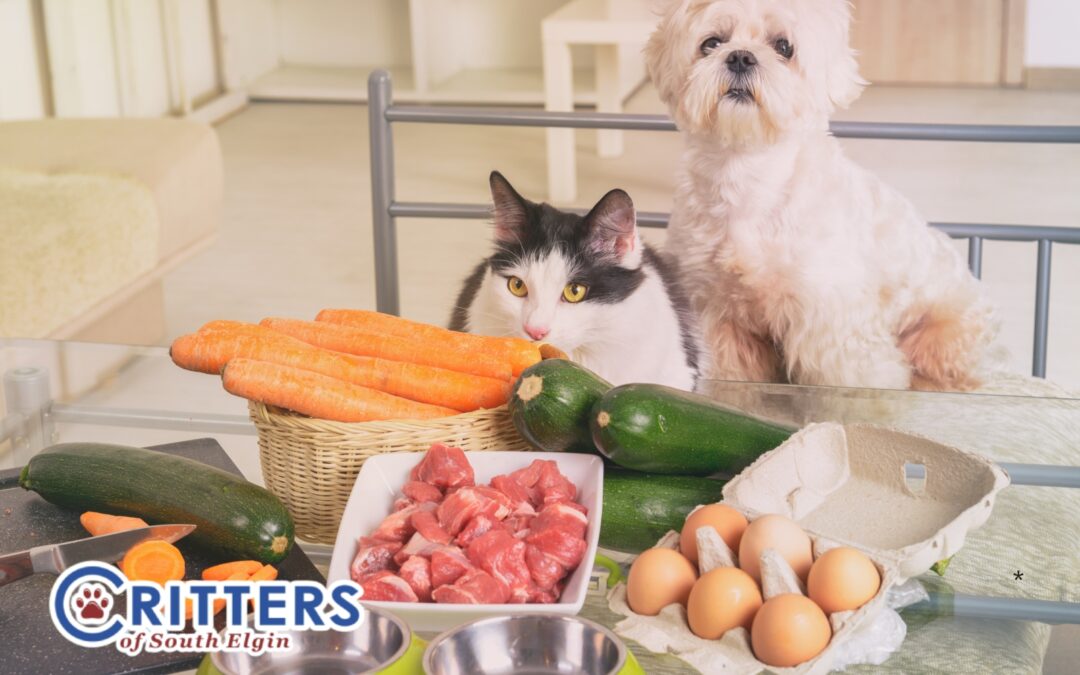
Your pantry can hide hazards for cats and dogs. Use this quick guide to spot the biggest kitchen risks, keep curious noses safe, and act fast if something goes wrong.
The Top 10 Kitchen Hazards
1) Chocolate
Why it’s dangerous: Theobromine and caffeine overstimulate the heart and nervous system.
Extra risky: Dark and baking chocolate. Even small amounts can cause trouble.
2) Grapes & Raisins
Why it’s dangerous: They can trigger sudden kidney failure in dogs—even in tiny amounts.
Tip: Keep trail mixes and baked goods out of reach.
3) Onions, Garlic, Chives
Why it’s dangerous: Compounds damage red blood cells and can cause anemia in dogs and cats.
Hidden sources: Stocks, sauces, gravies, spice blends, baby food.
4) Xylitol (a.k.a. “birch sugar”)
Why it’s dangerous (dogs): Causes a rapid, dangerous drop in blood sugar and can lead to liver failure.
Hidden sources: Sugar-free gum/candy, baked goods, some peanut butters, dental products, drink mixes.
5) Alcohol
Why it’s dangerous: Even small amounts can cause vomiting, wobbliness, drops in body temperature, and coma.
Watch-outs: Spilled cocktails, uncooked yeast batter, fermenting fruit.
6) Avocado
Why it’s dangerous: Persin can upset dogs (vomiting/diarrhea) and is toxic to birds and small pets.
Note: Pits also pose a choking/obstruction risk.
7) Macadamia Nuts
Why it’s dangerous (dogs): Can cause weakness, tremors, vomiting, and fever.
Hidden sources: Cookies, nut mixes, crusts.
8) Caffeine (coffee, tea, energy drinks)
Why it’s dangerous: Stimulant effects can lead to restlessness, rapid breathing, abnormal heart rhythms, or seizures.
Also risky: Coffee grounds and tea bags.
9) Raw Dough with Yeast
Why it’s dangerous: Dough expands in the stomach (bloat risk) and fermentation produces alcohol.
Seasonal alert: Bread- and pizza-making days.
10) Fatty or Greasy Foods
Why it matters: Not always “toxic,” but they can trigger pancreatitis—painful and potentially serious.
Examples: Bacon fat, skin drippings, rich gravies, fried leftovers.
What to Do If Your Pet Eats Something Risky
-
Call your veterinarian immediately. Time matters.
-
Or call ASPCA Animal Poison Control: 888-426-4435. Keep the number on your fridge.
-
Don’t wait for symptoms. Some toxins cause delayed damage.
-
Don’t induce vomiting unless a professional tells you to. Certain items can cause more harm on the way back up.
-
Bring details: What was eaten, how much, when, your pet’s weight, and the packaging/ingredient list if possible.
Everyday Prevention That Works
-
Create a “no-share” rule at the table. Family and guests should skip hand-outs.
-
Secure the trash and compost. Use latching lids; take out the trash after parties.
-
Store smart. Keep baking chocolate, gum, nuts, and dough on high shelves or in closed bins.
-
Label the risky stuff. Put a bright dot on products with xylitol.
-
Offer safe swaps. Ask us about dog- and cat-safe treats, puzzle feeders, and chews that satisfy curiosity without the risk.
-
Make a plan. Save your vet’s number and ASPCA Poison Control in your phone.
Quick-Reference List (Pin This)
Chocolate, grapes/raisins, onions/garlic/chives, xylitol, alcohol, avocado, macadamia nuts, caffeine, raw yeast dough, fatty/greasy foods.
A few simple habits can prevent big problems. If you’re unsure about a specific food or ingredient, call your vet or stop by Critters Pet Shop, we’re happy to help you choose safe treats and set up a kitchen-proof routine. 🐾
by Critters Pet Shop of South Elgin | Sep 22, 2025 | Tips & Suggestions
Carrying extra pounds doesn’t just change how a pet looks, it can affect how they feel, move, and even how long they live. Use the quick checks below to spot early signs and start a safe, sustainable plan.
Quick At-Home Body Check
1) The “Feel the Ribs” Test
-
Run your hands flat along your pet’s sides.
-
You should feel each rib easily without pressing hard, like touching the back of your hand.
-
If you can’t feel ribs at all, there’s likely extra fat. If ribs look sharply visible, that’s too thin.
2) Check the Waistline
-
From above: there should be a visible waist, an inward curve behind the ribs.
-
From the side: look for a belly tuck (an upward slope from chest to hips).
-
A straight line or rounded belly usually means extra weight.
3) Movement & Energy
-
Tires quickly on walks, pants more than usual, or avoids stairs and jumping.
-
Cats may stop grooming their lower back or tail base because it’s hard to reach.
4) Behavior Changes
-
Less interest in play or walks.
-
Stiffness getting up, reluctance to jump, or an occasional limp (extra weight can stress joints).
Why Extra Weight Matters
Overweight pets face higher risks of:
Even a few extra pounds can push joints and organs harder than you think.
What To Do Next
1) Get a BCS From Your Vet
Ask for a Body Condition Score (BCS) on a 1–9 or 1–5 scale. Your vet will set a healthy target and a safe rate of loss (usually 1–2% of body weight per week).
2) Audit the Bowl & the Treat Jar
-
Measure every meal with a scoop or gram scale.
-
Track treats and table scraps; aim for ≤10% of daily calories from treats.
-
If family members are sneaking snacks, set a daily treat “budget” everyone can follow.
3) Adjust Portions—Gradually
-
Start by reducing total daily calories ~10% (your vet can tailor this).
-
Choose a high-quality, complete diet appropriate for life stage and activity.
-
If your pet needs fewer calories but still acts hungry, ask about higher-fiber or weight-management formulas.
4) Use Toppers—But Count Them
Freeze-dried toppers can boost flavor and nutrition for picky eaters. If you use them, keep the meal balanced:
-
A simple guide is the 80/20 approach: replace about 20% of the bowl with a complete, balanced topper (not add on top), and reduce the base food accordingly so calories don’t creep up.
-
Always check the label; not all toppers are “complete and balanced.” When in doubt, ask your vet.
5) Move More—Make It Fun
-
Dogs: add a 10–15-minute sniff walk or two short play bursts (fetch, tug) daily.
-
Cats: schedule two 5-minute wand-toy sessions and introduce a puzzle feeder to turn meals into activity.
-
Aim for small, consistent changes rather than a single long weekend workout.
6) Track Progress
-
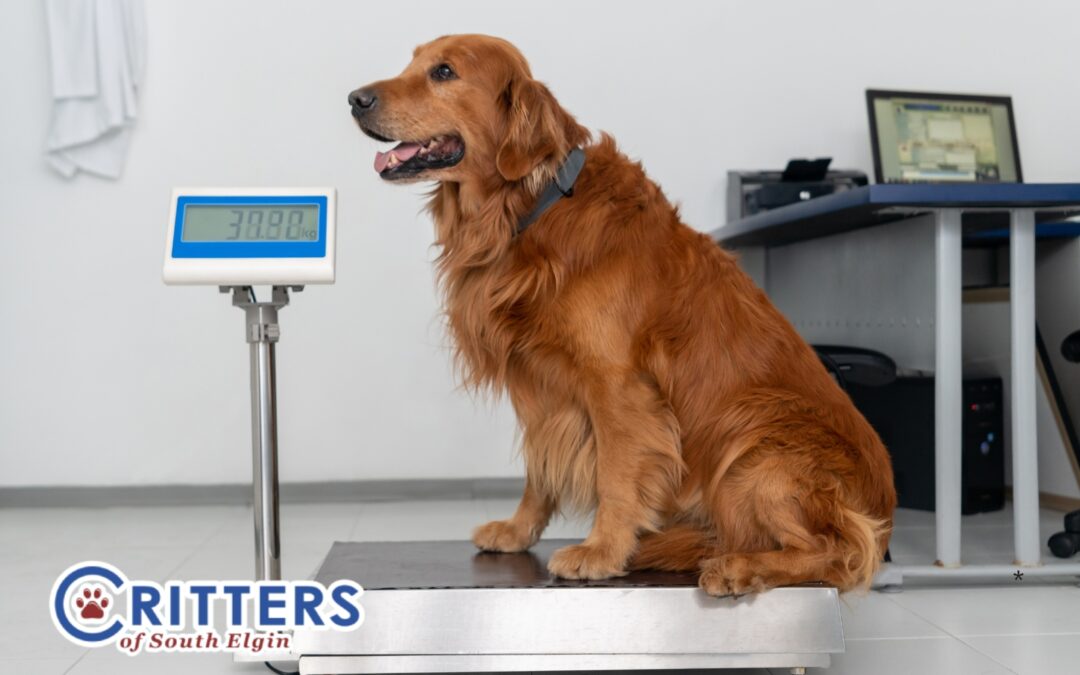
Weigh weekly on the same scale and time of day.
-
For cats, weigh yourself, then weigh yourself holding the cat; subtract the difference.
-
Snap monthly photos (side and top views) to see shape changes you might miss daily.
When To Call the Vet Sooner
-
Sudden weight gain or loss
-
Labored breathing, constant coughing, or heat intolerance
-
Pain, persistent limping, vomiting, or notable changes in thirst/urination
These could signal medical issues that need attention before starting a weight-loss plan.
The Bottom Line
A healthy weight protects joints, supports the heart, and helps pets feel playful again. Start with the rib test and waist check, tighten up portions, build in a little daily movement, and partner with your veterinarian for a plan you can maintain.
If you’d like help choosing food, measuring portions, or picking enrichment toys, stop by Critters Pet Shop, we’re happy to set you up with a simple, sustainable routine. 🐾
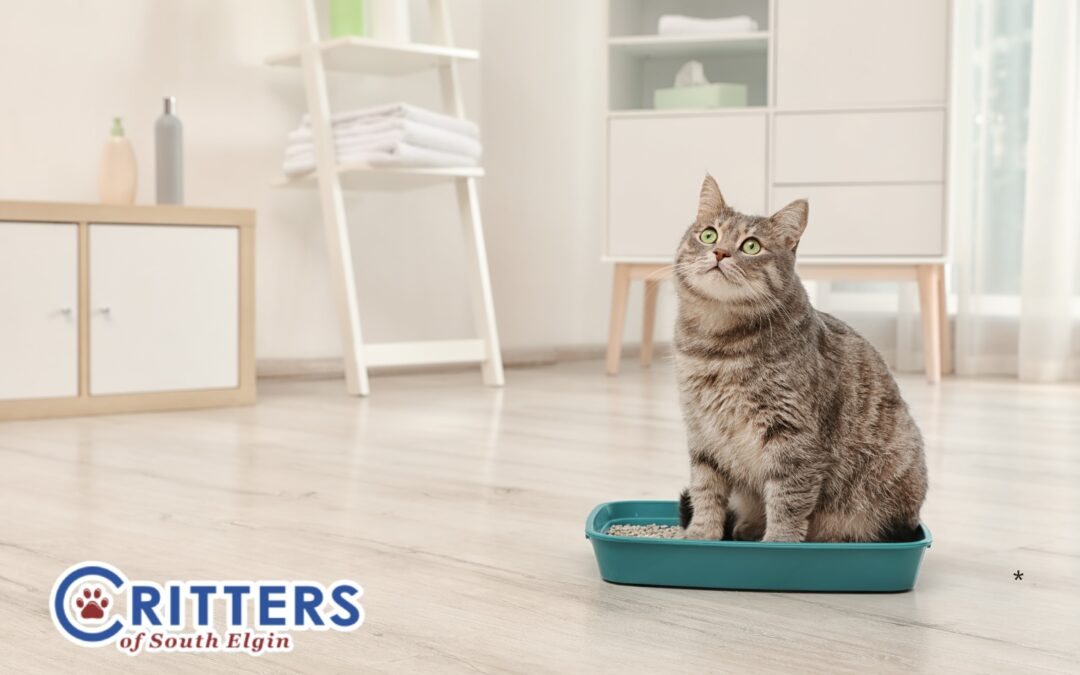
by Critters Pet Shop of South Elgin | Sep 8, 2025 | Tips & Suggestions
One of the most common (and frustrating) issues cat owners face is when their cat suddenly stops using the litter box. While it might feel like your cat is being “naughty,” most of the time, it’s their way of telling you something isn’t right.
Here are the top reasons behind litter box problems—and how you can help:
1. The Box Isn’t Clean Enough
Cats are naturally clean animals. If the litter box smells or hasn’t been scooped recently, many cats will look for a cleaner spot (like your rug).
Solution: Scoop daily, wash the box weekly, and replace litter regularly.
2. Litterbox Location
Cats like privacy and quiet when they use the bathroom. If the litter box is in a busy hallway, near loud appliances, or too close to their food, they may avoid it.
Solution: Place litter boxes in calm, low-traffic areas where your cat feels safe.
3. Not Enough Boxes
The golden rule: one box per cat, plus one extra. Multiple cats sharing one box can cause territorial issues and stress.
Solution: Add more boxes in different areas of the house.
4. Litter Preferences
Some cats dislike certain textures or scents in litter. Switching brands, using heavily perfumed litter, or filling the box too high can all cause problems.
Solution: Try different litters—unscented clumping litter is often a safe bet.
5. Medical Issues
If your cat suddenly stops using the litter box, a health problem might be the cause. Urinary tract infections, bladder stones, arthritis, or digestive troubles can all make it painful or difficult to use the box.
Solution: Always rule out medical issues with a vet visit.
Cats don’t avoid the litter box out of spite—they’re communicating. By keeping their box clean, providing options, and watching for signs of stress or illness, you can get your cat back on track and keep your home accident-free.
Why Cats Scratch (and How to Save Your Furniture)” – explain the natural reasons behind scratching and how to redirect it.
- Explain the natural instincts behind it:
- Nail Maintenance – scratching helps cats shed the dead outer layer of their claws.
- Stretching & Exercise – it’s like yoga for cats; scratching gives them a full-body stretch.
- Territory Marking – scratching leaves both a visual markand a scent mark from glands in their paws.
- Stress Relief & Fun – cats scratch when they’re excited, anxious, or just plain happy.
- Furniture often has theperfect texture (cloth, wood, leather).
- Placement: couches, chairs, and door frames are often in high-traffic areas, ideal for marking.
- Cats scratch where people spend time—it’s a way of being part of the “social hub.”