by Critters Pet Shop of South Elgin | Apr 9, 2026 | Tips & Suggestions
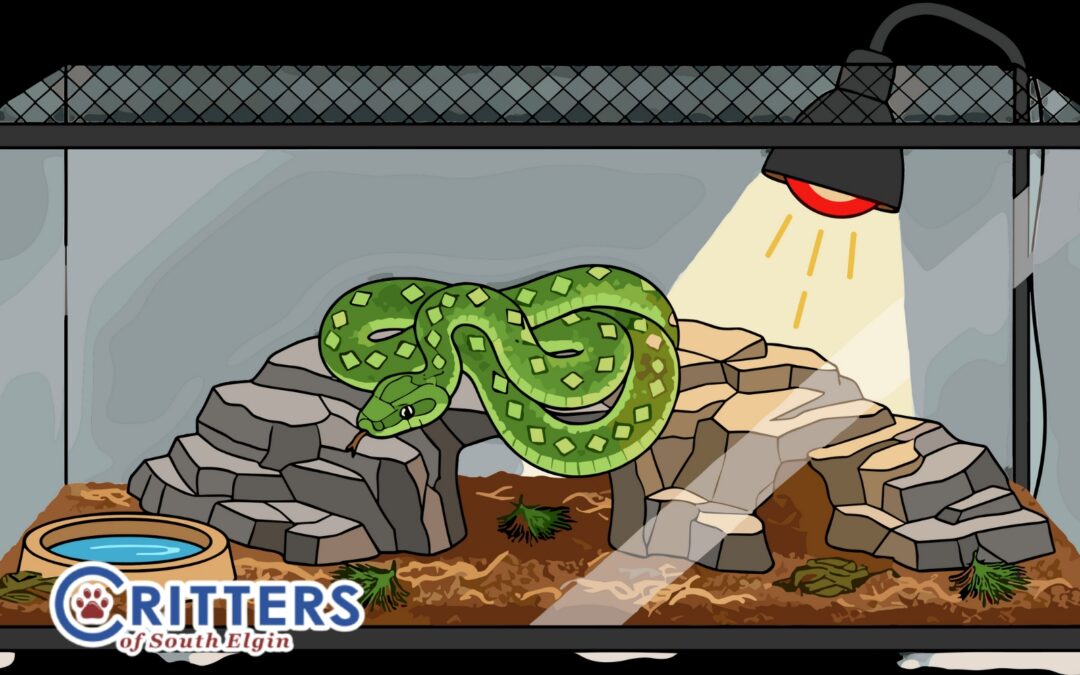
Glass tanks are fine as starters, but eventually you’re going to want to move beyond them. A bioactive habitat is the ultimate goal here, but it’s more than just getting a nicer-looking tank. These are working ecosystems designed with layers, live plants, and even isopods and springtails to help clean up waste. Not sure what goes into building one? Our guide will help.
Why Move Beyond the Basic Glass Tank?
Glass tank setups can work, but they usually need more frequent deep-cleaning and don’t offer your pet much real support. A bioactive habitat can:
- Let your pet dig, climb, explore, and hide
- Improve humidity stability
- Reduce smells and waste buildup
- Create a habitat you actually enjoy looking at
The Core Ingredients of a Bioactive Setup
You don’t need a jungle-palace right away, but you do need the basics:
Space and Ventilation
Bigger is usually better when it comes to habitats. You’ll also want a good ventilation system to help keep things from getting stagnant.
Drainage Layer
A drainage layer at the bottom of the habitat holds excess water away from roots and soil.
The Right Substrate for Your Pet
Make sure you’ve got the right substrate for your pet’s digging behavior and other needs. Different species have drastically different needs.
Leaf Litter and Hides
Leaf litter is food and cover for your clean-up crew, and it helps your reptile feel secure. Hides help reduce stress (and aren’t negotiable).
Clean-Up Crew
Springtails and isopods are what make “bioactive” possible because they eat things like decaying matter and pet waste, keeping the habitat cleaner.
Lighting and Heat
Your reptile needs the right temperature gradient and, in many cases, specific UVB and visible lighting. You also need to check temps daily; don’t “set it and forget it.”
Your Build Plan
- Choose your enclosure (based on adult size, not baby size).
- Add drainage and a barrier layer.
- Add substrate and hardscape.
- Carefully add both plants and water.
- Introduce your clean-up crew and let the habitat “cycle” for a little while.
- Dial in heat/humidity using the right tools.
- Add your reptile once everything’s right.
What to Watch For
- Too wet, too fast: Slow down watering and improve ventilation.
- Wrong substrate for the species: match the environment your reptile actually needs.
- Not monitoring: bioactive habitats still need daily temp and moisture checks.
- Not enough hides: stress can undo all your good work.
Want Help Building Yours?
Ready to move beyond a basic glass tank? You don’t have to figure it out alone. Critters Pet Shop of South Elgin has a dedicated reptile department, and we can help you choose heating equipment, thermometers, and enclosure essentials that fit your species and your home. Get in touch today.

by Critters Pet Shop of South Elgin | Apr 2, 2026 | Tips & Suggestions
As temperatures rise, dogs and cats naturally start shedding their thick winter coats. This seasonal change helps them stay cool, but it also means one thing for pet owners… fur is everywhere.
While shedding is completely normal, excessive buildup around your home can feel overwhelming. The key is staying ahead of it with the right routine.
Build a Simple Brushing Routine
Brushing your pet regularly is the easiest way to control shedding before it spreads through your home. Removing loose fur at the source keeps it off your floors, furniture, and clothes.
During peak shedding season, most pets benefit from brushing at least a few times per week. For thicker or double-coated breeds, daily brushing can make a noticeable difference.
Brushing also supports skin health by distributing natural oils throughout the coat, helping your pet maintain a softer, shinier look.
Use Grooming to Your Advantage
At-home brushing is important, but professional grooming takes shedding control even further. Groomers use specialized tools to remove excess undercoat and keep your pet’s skin clean and healthy.
At Critters Pet Shop, our full-service grooming includes baths, nail trims, and de-shedding treatments designed specifically for seasonal coat changes.
Scheduling grooming during spring helps reduce loose fur, prevent matting, and keep your pet feeling comfortable. It also cuts down on the amount of hair you are constantly cleaning at home.
Improve Coat Health Through Diet
What your pet eats plays a major role in how much they shed. A poor diet can lead to dry skin and brittle fur, which often results in heavier shedding.
Feeding a high-quality, balanced diet supports healthy skin and stronger coats. Ingredients like quality proteins and healthy fats help reduce excessive shedding and improve overall coat condition.
At Critters Pet Shop, we carry trusted brands like American Natural Premium, Fromm, NutriSource, and Zignature, all designed to support your pet’s health from the inside out. Adding a freeze-dried topper can also boost nutrition and improve coat quality.
Keep Your Home Under Control
Even with the best routine, some shedding is unavoidable. Staying consistent with cleaning makes all the difference.
Vacuuming regularly, using washable covers on furniture, and keeping lint rollers nearby can help you stay ahead of pet hair. Small daily efforts prevent fur from building up and becoming harder to manage.
A Better Routine Means Less Fur
Shedding season does not have to take over your home. With consistent brushing, regular grooming, and the right diet, you can significantly reduce loose fur and keep your pet feeling their best.
If you need help choosing the right tools, food, or grooming services, stop by Critters Pet Shop. Our team is here to help you create a routine that works for both you and your pet.

by Critters Pet Shop of South Elgin | Mar 19, 2026 | Tips & Suggestions
Tired of standing in the pet food aisle and wondering which food is right for your pet? You’re not alone. Today’s pet food packaging is designed to sell you, not to explain why it’s good for your pet. That’s particularly true when it comes to premium pet food labels. And, unfortunately, the most appealing labels sometimes get applied to foods with the lowest level of nutrition. The good news is that finding healthy food for your pet doesn’t have to be stressful or confusing.
Step 1: Start with the “Statement of Nutritional Adequacy”
This is the most underrated line on the bag. Look for language that says the food is complete and balanced for a specific life stage (growth, adult maintenance, all life stages, etc.). It’s often tied to AAFCO feeding standards.
Remember, “premium” doesn’t automatically mean balanced. Pet food can have great-sounding ingredients and still be missing key nutrients if it’s meant only as a topper or supplemental feeding.
Step 2: Read the Ingredient List
Ingredients are listed by weight before cooking. That means moisture-heavy ingredients (like fresh meats) can appear higher on the list than you’d expect, even if the final protein contribution isn’t as dramatic as the front of the bag implies.
- Named proteins (like chicken, turkey, beef, or salmon) are clearer than vague terms.
- If your pet has sensitivities, keep an eye out for repeats (multiple starches, etc.).
Step 3: Skip on Buzzwords
Some common front-of-bag phrases are mostly marketing unless the label backs them up:
- “Natural” (this really means nothing)
- “Holistic” (there is no formal standard)
- “Human-grade” (should be supported by specific manufacturing claims)
- “Grain-free” (not inherently better; it depends on your pet)
Step 4: Use the Guaranteed Analysis for Comparisons
Guaranteed Analysis (GA) gives minimums/maximums for protein, fat, fiber, and moisture. It’s helpful, but it’s everything you need to know, especially when you compare wet vs. dry vs. freeze-dried. If you’re comparing two very different formats, ask about “dry matter basis,” so you’re comparing apples to apples.
Step 5: Match the Food to Your Actual Pet
The “best” food is the one your pet does well on. Consider:
- Age and activity level
- Stool quality and coat condition
- Food sensitivities
- How picky they are (yes, that counts)
- Medical issues (and your vet’s advice)
Want a Second Opinion in the Confused by pet food labels? Learn how South Elgin pet owners can choose the right food by reading labels the smart way.Aisle?
At Critters Pet Shop of South Elgin, you’ll find a wide range of quality brands and food types to fit different pets and budgets. If you don’t see your preferred brand, we’ll even special order it. Get in touch for more information.
by Critters Pet Shop of South Elgin | Feb 27, 2026 | Tips & Suggestions
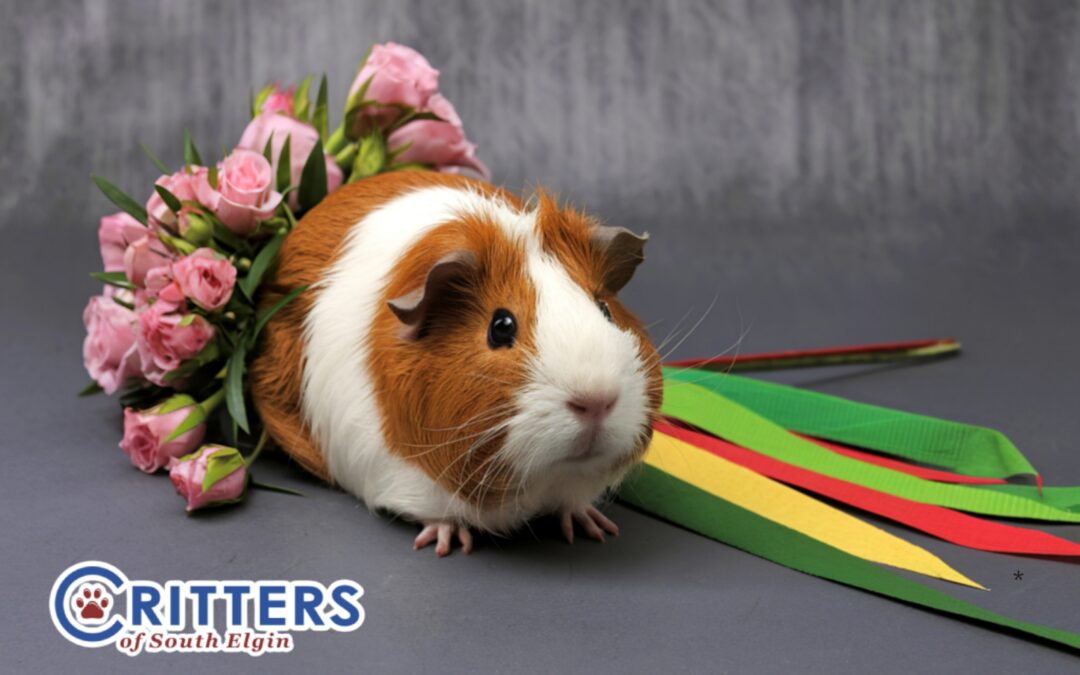
It’s easy to see why so many people think of rabbits and guinea pigs as “starter pets.” They’re adorable, quiet, and relatively small, so they can seem like the perfect place to start for your child’s first pet or someone looking for a low-maintenance pet.
However, the truth is that bunnies and guinea pigs are not beginner pets. In many ways, they require just as much care, attention, and long-term commitment as a dog or cat, sometimes more. Here is what Critters Pet Shop of South Elgin comes in.
They Have Complex Daily Care Needs
Rabbits and guinea pigs aren’t “cage pets” you can feed once a day and forget about. You need to interact with them every day, plus they need their cages cleaned regularly.
Rabbits need more space than you might think, and guinea pigs need room to run, hide, and socialize. Both benefit from things like tunnels, chew toys, and (supervised) out-of-enclosure time to stay mentally and physically healthy. Skipping basics like these can mean dealing with emotional/behavioral and health issues.
Specific Diets with Non-Negotiable Elements
Feeding these pets the right way takes more than grabbing a bag of pellets. Rabbits need unlimited hay, fresh leafy greens, and a carefully limited amount of pellets. Guinea pigs also rely heavily on hay, but they must receive vitamin C daily, since their bodies can’t produce it on their own.
They’re Fragile and Easily Stressed
Rabbits and guinea pigs may look sturdy, but they’re surprisingly delicate.
You can hurt a rabbit’s back just by handling them incorrectly. Guinea pigs are sensitive to loud noises, sudden movements, and environmental changes. They’re not always ideal for young children who may want a pet they can carry, hug, or play with freely.
It’s a Long-Term Commitment
Rabbits often live 8 to 12 years, and guinea pigs commonly live 5 to 7 years with proper care. They need daily care and consistent attention for years, not months.
Setting the Right Expectations
Bunnies and guinea pigs can be incredible companions when their needs are fully understood and respected. They’re social, intelligent, and full of personality, but they’re not “easy.”
Before bringing one home, make sure you’re prepared for the time, space, and commitment they deserve. Starting with the right expectations is the best way to give these animals a healthy, happy life and make sure they’re the right fit for you. Get in touch with us if you need food, advice, or help caring for your pet.
by Critters Pet Shop of South Elgin | Feb 13, 2026 | Tips & Suggestions
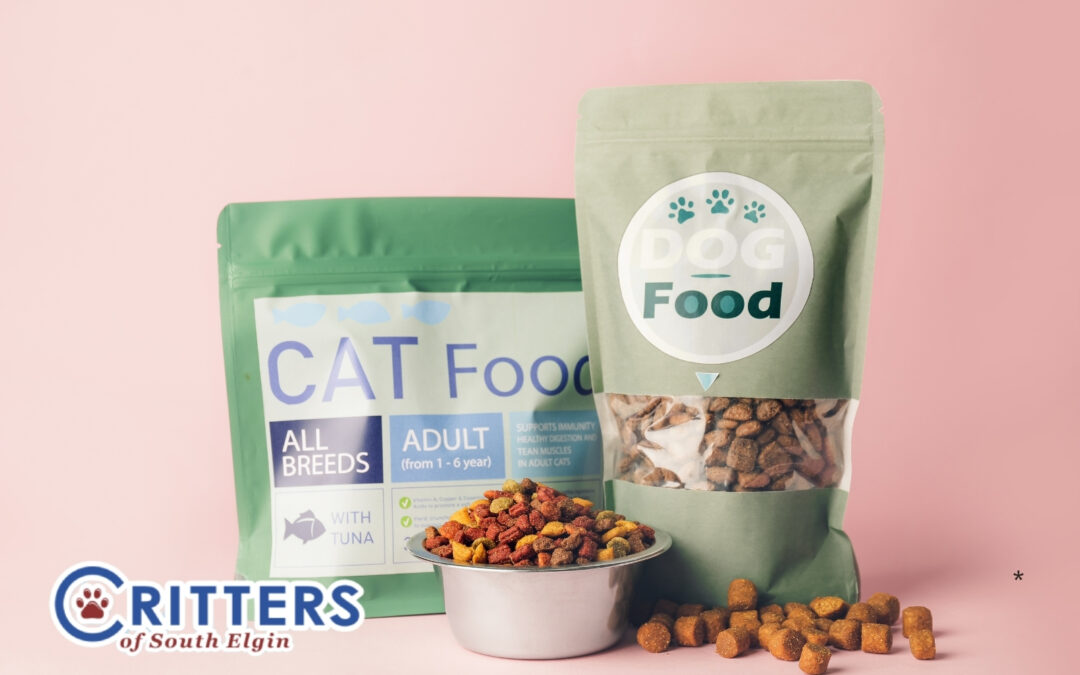
When the weather gets colder, your pet’s needs can change. That includes what and how much they eat. Shorter days, lower temperatures, less humidity, and changes in activity can all affect your pet’s nutrition needs. Understanding what your pet needs in cold weather helps you keep them feeling their best all season long.
Does Your Pet Need More Calories?
If your pet spends a lot of time outside, chances are they’ll need slightly more calories during winter. Their bodies use extra energy to stay warm, especially in dogs with thinner coats.
If your pet seems hungrier than usual, talk with your veterinarian before increasing how much you feed them. Adding calories without a plan can lead to weight gain rather than healthy energy.
When Less Food May Be Better
Many pets are less active in winter. Shorter walks, fewer outdoor play sessions, and more time indoors can mean they actually need fewer calories. If portions stay the same, weight gain can happen quickly.
Watch your pet’s body condition, not just the food bowl. If you notice weight gain, reduced energy, or stiffness, it may be time to adjust portions or switch to a formula better suited for lower activity levels.
Quality Nutrition Matters a Lot
Cold weather is a good time to take a closer look at what your pet is eating. A balanced diet helps support immune health, digestion, and skin and coat condition.
Healthy fats play an important role in winter nutrition. Omega fatty acids help support skin moisture and coat shine, which can suffer in dry winter air. Protein is also important. Without it, your pet will start to lose muscle mass.
Avoid table scraps and sudden diet changes, especially during the holidays. Rich or unfamiliar foods can upset your pet’s stomach (and no one wants that kind of cleanup).
Don’t Forget Hydration
Pets can drink less water in winter, especially if they’re not as active. Dehydration plays a role in everything from slow digestion to skin health problems.
Make sure fresh water is always available. For pets that need encouragement, wet food or adding water to meals can help increase fluid intake.
Support Your Pet All Winter Long
Cold-weather nutrition doesn’t have to be a mystery. If you pay attention to your pet’s activity level, you can make the necessary changes.
If you need help choosing seasonal foods or supplements, stop by Critters Pet Shop of South Elgin or contact us today.

by Critters Pet Shop of South Elgin | Jan 31, 2026 | Tips & Suggestions
Winter weather can be hard on your pet’s skin. Cold air outside and dry heat inside can pull moisture from the skin, leaving your dog or cat itchy and uncomfortable. If you’ve noticed more scratching, white flakes in their fur, or a dull coat during the colder months, dry skin may be the cause.
Why Pets Get Dry Skin in Winter
Your pet’s skin needs natural oils to stay healthy. During winter, several things can reduce those oils:
- Cold outdoor temperatures can dry out the skin.
- Indoor heating lowers humidity, which removes moisture from the air.
- Frequent bathing can strip away protective oils if the wrong products are used.
- Some pets drink less water in cooler weather, leading to dehydration.
When the skin loses moisture, it becomes irritated more easily. This can cause itching, flaking, and shedding.
Signs Your Pet May Have Dry Skin
Dry skin doesn’t look the same in every pet, but common signs include:
- Frequent scratching or licking
- Flaky or dandruff-like skin
- Red or irritated areas
- Dry, brittle fur
- Increased shedding
If symptoms are mild, they’re probably seasonal. If your pet has sores, hair loss, or constant discomfort, it’s best to talk with your veterinarian.
Simple Ways to Help Your Pet at Home
You don’t need to change everything at once. Small changes can make a big difference
- Use gentle grooming products.
- Support hydration.
- Add moisture to the air with a humidifier.
- Brush them regularly.
Nutrition Plays a Big Role
Healthy skin starts with a balanced diet, which helps support strong skin and a shiny coat. Foods and treats with essential fatty acids like omega-3s and omega-6s can help reduce dryness and flaking.
When to Call the Vet
If your pet’s dry skin doesn’t improve after a few weeks, if itching gets severe, or you notice sores, it’s time to check with a veterinarian. Some skin problems look like dryness but are caused by allergies or infections.
Keep Your Pet Comfortable All Winter
Dry skin doesn’t have to be part of winter for your pet. With the right care, you can help them stay comfortable and itch-free through the colder months.
If you need help choosing gentle shampoos, skin-supporting foods, or grooming tools, stop by Critters Pet Shop of South Elgin or contact us today.