
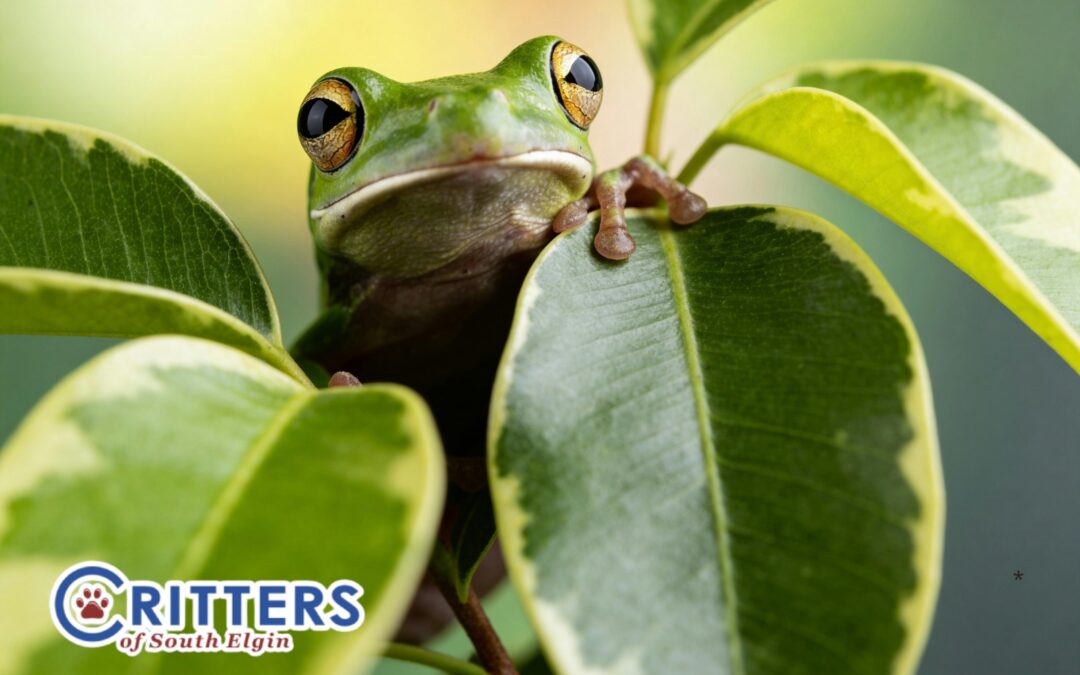
Setting up an environment for your exotic pet? Before you buy a single piece of equipment, do one thing: look up where your animal comes from. Every exotic pet carries the need for its native environment, and your job is to get as close to that as a living room reasonably allows.
Create a Natural Habitat
The most common mistake people make when setting up an exotic habitat is building around the equipment they’ve already bought rather than the animal’s actual needs. Research the species first. You need to know its climate, behaviors, whether it’s arboreal or terrestrial, diurnal or nocturnal, or solitary or social. What you learn will dictate every single thing you buy.
A chameleon needs vertical space and moving air currents. A crested gecko does better in a taller enclosure with plants to climb. A hedgehog needs more room to run than most starter cages give them. Not only will all this information help you create the best environment, but it will spare your pet a ton of stress and potential health problems.
Temp and Lighting
For reptiles, especially, temperature is a survival issue. Cold-blooded animals regulate their body temperature behaviorally, which means they need the right thermal gradient in their enclosure: a warm basking spot on one end and a cooler retreat on the other. A tank that’s all warm is no better than one that’s all cold.
Lighting matters, too. UVB light affects the production of vitamin D3, which affects calcium metabolism, which affects everything from bone density to organ function. Get a quality UVB bulb, track its output (they degrade before they burn out), and replace it on schedule.
For nocturnal species, skip the bright white light at night. Red or infrared bulbs are the better choices
Humidity and Substrates
A lot of exotic animals are much more sensitive to humidity than you might think. Tropical species like crested geckos or dart frogs need consistently high moisture levels, but species like bearded dragons need them low. Get a digital hygrometer so that you’ll always know, and then adjust accordingly.
Substrate (the material lining the bottom of an enclosure) affects everything from humidity levels to how clean the environment stays. A burrowing species needs plenty of depth, but one that’s prone to accidental ingestion needs something digestible or inorganic. Do the research specific to your animal, and skip the shortcuts.
Enrichment Is Part of the Environment
An enclosure that meets your pet’s physical needs but offers nothing to do is anything but good. Hides, climbing structures, and chances to forage are all part of what make a habitat.
Setting up a habitat for a new exotic pet? Get in touch with Critters Pet Shop. We can help you get it right.