
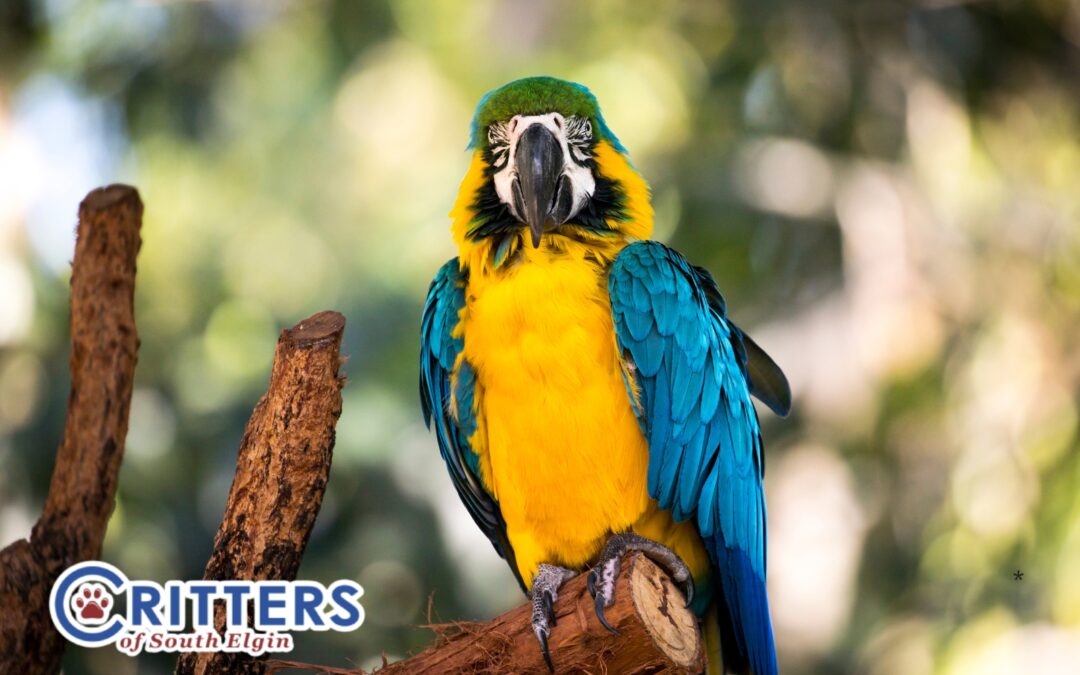
When temperatures drop, we bundle up—but your feathered friends rely on you to keep their environment comfortable and safe. Cold weather can be stressful for pet birds, especially smaller species like finches, parakeets, or lovebirds. With a few simple adjustments, you can help your birds stay cozy, active, and healthy all winter long.
- Keep Their Environment Warm
As outdoor temperatures fall, indoor drafts and chill can still affect your bird’s health.
Maintain room temperatures between 65°F and 75°F for most species. Keep cages away from windows, vents, and exterior doors to prevent cold air exposure.
If your home tends to get cool, use a bird-safe ceramic heat emitter or a heated perch to maintain comfort—just make sure your bird can move away from the heat source if it gets too warm.
- Ensure Proper Lighting
Shorter winter days mean less natural sunlight, which can impact your bird’s mood and vitamin D levels. To keep your bird’s internal clock steady, use a full-spectrum bird light for 10–12 hours daily. This helps regulate their sleep cycle and supports feather and bone health.
Transitioning from natural to artificial light can be tricky, so place the light on a timer to mimic sunrise and sunset patterns.
- Provide Fresh, Nutritious Food
Birds burn more calories in colder months as they stay warm. Offer a balanced diet with pellets, fresh fruits, and vegetables. Add a small portion of high-energy treats like seeds or nuts for extra warmth.
Keep food and water dishes clean and avoid placing them near drafts where water might cool quickly. Fresh, room-temperature water is essential—birds need hydration even when it’s cold.
- Maintain Humidity Levels
Winter air tends to be dry, especially with indoor heating. Low humidity can irritate your bird’s respiratory systemand cause brittle feathers or flaky skin.
Use a humidifier in the room or place a shallow dish of water near (but not inside) the cage to help maintain comfortable humidity. You can also lightly mist your bird’s feathers with warm water during the day if they enjoy it.
- Keep Them Mentally Stimulated
When outdoor activity decreases, boredom can set in quickly. Rotate toys weekly, introduce puzzle feeders, and spend quality time with your bird each day.
Even a few minutes of gentle conversation, singing, or training can help maintain their emotional health.
Transitioning into quieter winter months is a great time to bond with your feathered companion!
- Schedule a Wellness Check
Winter is the perfect season for a routine vet visit. Have your bird’s nails, beak, and feathers checked, and discuss any changes in appetite, droppings, or energy. Preventative care keeps small issues from becoming big problems later.
Why Winter Care Matters
Proper winter care helps your bird stay strong, reduces stress, and prevents illness. Birds kept in consistent, warm, and engaging environments are more likely to sing, play, and live long, happy lives.
By taking a few thoughtful steps, you’re not just keeping your bird comfortable—you’re ensuring they thrive, no matter how cold it gets outside.
Key Takeaway
Your bird’s comfort depends on you. Keep their cage warm, maintain humidity, offer nutritious meals, and give them plenty of love and stimulation. Small daily efforts can make a huge difference in your feathered friend’s happiness this winter. For Tips & Tricks, stop into Critters Pet Shop of South Elgin today!