
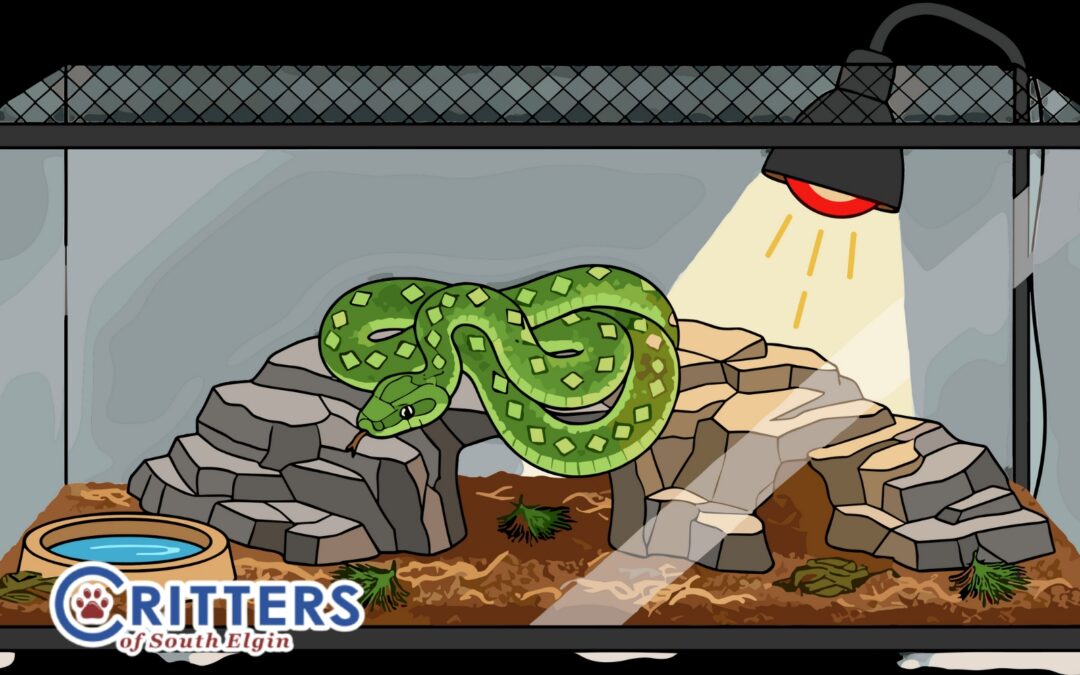
Glass tanks are fine as starters, but eventually you’re going to want to move beyond them. A bioactive habitat is the ultimate goal here, but it’s more than just getting a nicer-looking tank. These are working ecosystems designed with layers, live plants, and even isopods and springtails to help clean up waste. Not sure what goes into building one? Our guide will help.
Why Move Beyond the Basic Glass Tank?
Glass tank setups can work, but they usually need more frequent deep-cleaning and don’t offer your pet much real support. A bioactive habitat can:
- Let your pet dig, climb, explore, and hide
- Improve humidity stability
- Reduce smells and waste buildup
- Create a habitat you actually enjoy looking at
The Core Ingredients of a Bioactive Setup
You don’t need a jungle-palace right away, but you do need the basics:
Space and Ventilation
Bigger is usually better when it comes to habitats. You’ll also want a good ventilation system to help keep things from getting stagnant.
Drainage Layer
A drainage layer at the bottom of the habitat holds excess water away from roots and soil.
The Right Substrate for Your Pet
Make sure you’ve got the right substrate for your pet’s digging behavior and other needs. Different species have drastically different needs.
Leaf Litter and Hides
Leaf litter is food and cover for your clean-up crew, and it helps your reptile feel secure. Hides help reduce stress (and aren’t negotiable).
Clean-Up Crew
Springtails and isopods are what make “bioactive” possible because they eat things like decaying matter and pet waste, keeping the habitat cleaner.
Lighting and Heat
Your reptile needs the right temperature gradient and, in many cases, specific UVB and visible lighting. You also need to check temps daily; don’t “set it and forget it.”
Your Build Plan
- Choose your enclosure (based on adult size, not baby size).
- Add drainage and a barrier layer.
- Add substrate and hardscape.
- Carefully add both plants and water.
- Introduce your clean-up crew and let the habitat “cycle” for a little while.
- Dial in heat/humidity using the right tools.
- Add your reptile once everything’s right.
What to Watch For
- Too wet, too fast: Slow down watering and improve ventilation.
- Wrong substrate for the species: match the environment your reptile actually needs.
- Not monitoring: bioactive habitats still need daily temp and moisture checks.
- Not enough hides: stress can undo all your good work.
Want Help Building Yours?
Ready to move beyond a basic glass tank? You don’t have to figure it out alone. Critters Pet Shop of South Elgin has a dedicated reptile department, and we can help you choose heating equipment, thermometers, and enclosure essentials that fit your species and your home. Get in touch today.