by Critters Pet Shop of South Elgin | Jan 15, 2026 | Tips & Suggestions
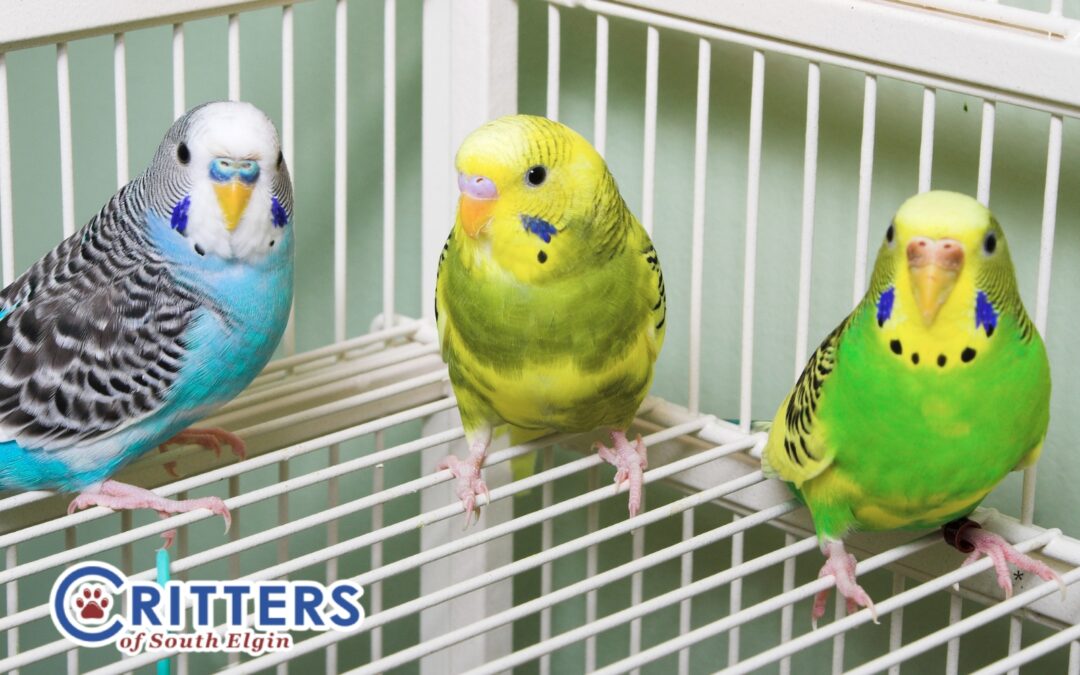
Cold weather is dangerous for all animals, including humans. However, it can be especially dangerous for birds and reptiles, particularly during extreme winter temperatures or power outages. Unlike dogs and cats, these pets rely heavily on their environment to regulate body temperature.
The good news is that keeping at-risk pets (usually the more exotic ones) safe during extreme cold is possible with the right setup and a little preparation.
Why Cold Weather Is a Bigger Risk for Birds and Reptiles
Birds and reptiles are especially sensitive to temperature changes. Birds need stable warmth to keep their energy up and to stay healthy. Sudden drops in temperature can make them sick or even send them into shock.
Reptiles are cold-blooded, which means they depend entirely on external heat to digest food, move properly, and survive. If their enclosure gets too cold, their body systems slow down, and serious health problems can follow.
Keeping Birds Warm in Cold Weather
Birds should be kept away from drafts, windows, and exterior doors during winter. Keep a steady room temperature and avoid sudden changes. Covering part of the cage at night can help retain warmth, but make sure you allow airflow.
Of course, you should never put cages directly near heaters, fireplaces, or vents, because that can cause overheating. If temperatures drop significantly, a bird-safe cage heater can give them extra warmth.
Keeping Reptiles Warm and Safe
Reptiles need precise temperature control, especially during extreme cold. Check enclosure temperatures daily and make sure that your thermometer is accurate.
Heat lamps, ceramic heat emitters, heating mats, and radiant heat panels can all help, but don’t forget they need constant monitoring. Backup heat sources are a good idea in case of equipment failure or power loss.
Reptiles also need the right humidity, which can drop during winter. Low humidity can cause shedding problems and respiratory issues. Misting systems, humid hides, and even just basic water bowls can help maintain healthy humidity levels.
Help Your Pet Stay Safe All Winter
Cold weather doesn’t have to put your birds or reptiles at risk. With the right heating equipment, regular monitoring, and making sure their enclosures are set up in the right places, you protect them even during extreme winter conditions.
If you need help choosing bird-safe heaters, reptile heating equipment, thermometers, or winter care supplies, stop by Critters Pet Shop or contact us today.
by Critters Pet Shop of South Elgin | Dec 31, 2025 | Tips & Suggestions
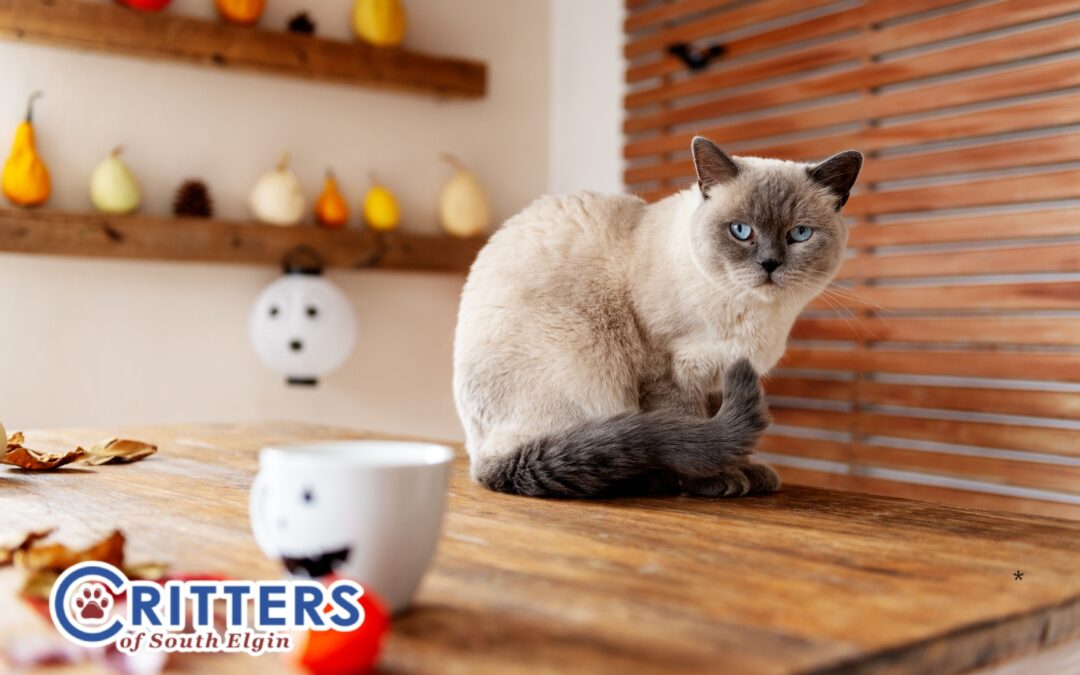
When winter hits, a lot of people get the “blues”. It’s thought to be due to the lack of direct sunlight. However, it’s not just people who can struggle with seasonal shifts. Your pet can also get the “winter blues,” and that can affect their health and happiness.
Here’s how to spot signs of seasonal blues and what you can do to help.
What Seasonal Blues Look Like in Pets
Pets can’t tell you how they’re feeling, but you can pick up some clues from their behavior. Common signs of seasonal blues include:
- Reduced Energy or Activity: If your pet spends more time napping and less time playing, especially during winter or gloomy weather, it could be a sign they’re feeling down.
- Changes in Appetite: A pet who suddenly eats less or occasionally more than normal might be reacting to seasonal changes, stress, or boredom.
- Seeming “Off” or Withdrawn: Pets who normally greet you at the door, follow you around, or always want to play might interact less when they’re feeling blue.
- Increased Sleep: While napping is normal, excessive sleep, especially paired with a lack of interest in activities they used to enjoy, can mean that your pet has the blues.
Why Are Pets Affected
The same things that affect you also affect your pet (shifts in temperature, changes in light, etc.). Shorter days and colder weather can mean:
- Less outdoor play and exercise
- Less exposure to sunlight
- Disrupted routines
- Boredom
- Anxiety
What You Can Do to Help
Luckily, there are plenty of ways to support your pet:
- Keep Routines Consistent: Pets do best with set routines. Keep everything on a regular schedule, even when weather changes make it harder to get outside.
- Give Them Light and Movement: If sunlight is limited, open blinds during the day or spend some time near windows.
- Offer Games and Activities: Boredom can make seasonal blues worse. Chew toys and games help stimulate your pet’s brain.
- Take Short Walks Often: Even in colder weather, short bursts of outdoor time can give your pet fresh air and stimulation.
Help Your Pet Thrive Year-Round
Seasonal blues in pets are real, but you can manage them with a few supportive strategies. Your attention and care go a long way toward keeping them happy and healthy, no matter the weather.
If you need help choosing toys, enrichment tools, or products to support your pet’s well-being this season, stop by Critters Pet Shop or contact us today.
by Critters Pet Shop of South Elgin | Dec 14, 2025 | Uncategorized
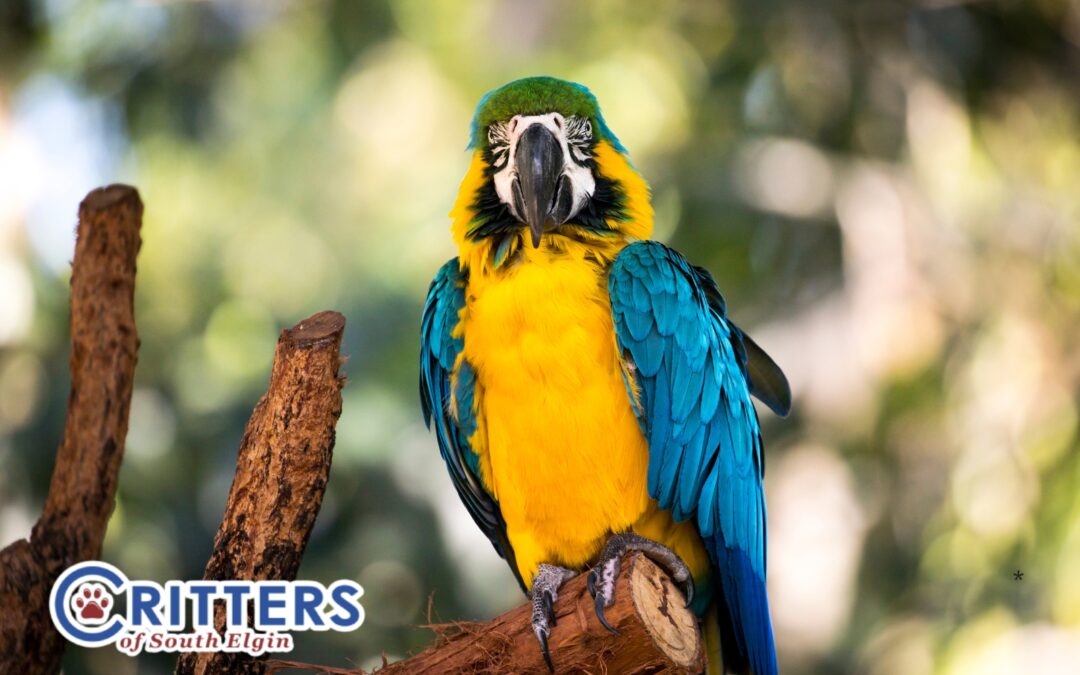
When temperatures drop, we bundle up—but your feathered friends rely on you to keep their environment comfortable and safe. Cold weather can be stressful for pet birds, especially smaller species like finches, parakeets, or lovebirds. With a few simple adjustments, you can help your birds stay cozy, active, and healthy all winter long.
- Keep Their Environment Warm
As outdoor temperatures fall, indoor drafts and chill can still affect your bird’s health.
Maintain room temperatures between 65°F and 75°F for most species. Keep cages away from windows, vents, and exterior doors to prevent cold air exposure.
If your home tends to get cool, use a bird-safe ceramic heat emitter or a heated perch to maintain comfort—just make sure your bird can move away from the heat source if it gets too warm.
- Ensure Proper Lighting
Shorter winter days mean less natural sunlight, which can impact your bird’s mood and vitamin D levels. To keep your bird’s internal clock steady, use a full-spectrum bird light for 10–12 hours daily. This helps regulate their sleep cycle and supports feather and bone health.
Transitioning from natural to artificial light can be tricky, so place the light on a timer to mimic sunrise and sunset patterns.
- Provide Fresh, Nutritious Food
Birds burn more calories in colder months as they stay warm. Offer a balanced diet with pellets, fresh fruits, and vegetables. Add a small portion of high-energy treats like seeds or nuts for extra warmth.
Keep food and water dishes clean and avoid placing them near drafts where water might cool quickly. Fresh, room-temperature water is essential—birds need hydration even when it’s cold.
- Maintain Humidity Levels
Winter air tends to be dry, especially with indoor heating. Low humidity can irritate your bird’s respiratory systemand cause brittle feathers or flaky skin.
Use a humidifier in the room or place a shallow dish of water near (but not inside) the cage to help maintain comfortable humidity. You can also lightly mist your bird’s feathers with warm water during the day if they enjoy it.
- Keep Them Mentally Stimulated
When outdoor activity decreases, boredom can set in quickly. Rotate toys weekly, introduce puzzle feeders, and spend quality time with your bird each day.
Even a few minutes of gentle conversation, singing, or training can help maintain their emotional health.
Transitioning into quieter winter months is a great time to bond with your feathered companion!
- Schedule a Wellness Check
Winter is the perfect season for a routine vet visit. Have your bird’s nails, beak, and feathers checked, and discuss any changes in appetite, droppings, or energy. Preventative care keeps small issues from becoming big problems later.
Why Winter Care Matters
Proper winter care helps your bird stay strong, reduces stress, and prevents illness. Birds kept in consistent, warm, and engaging environments are more likely to sing, play, and live long, happy lives.
By taking a few thoughtful steps, you’re not just keeping your bird comfortable—you’re ensuring they thrive, no matter how cold it gets outside.
Key Takeaway
Your bird’s comfort depends on you. Keep their cage warm, maintain humidity, offer nutritious meals, and give them plenty of love and stimulation. Small daily efforts can make a huge difference in your feathered friend’s happiness this winter. For Tips & Tricks, stop into Critters Pet Shop of South Elgin today!
by Critters Pet Shop of South Elgin | Nov 30, 2025 | Tips & Suggestions
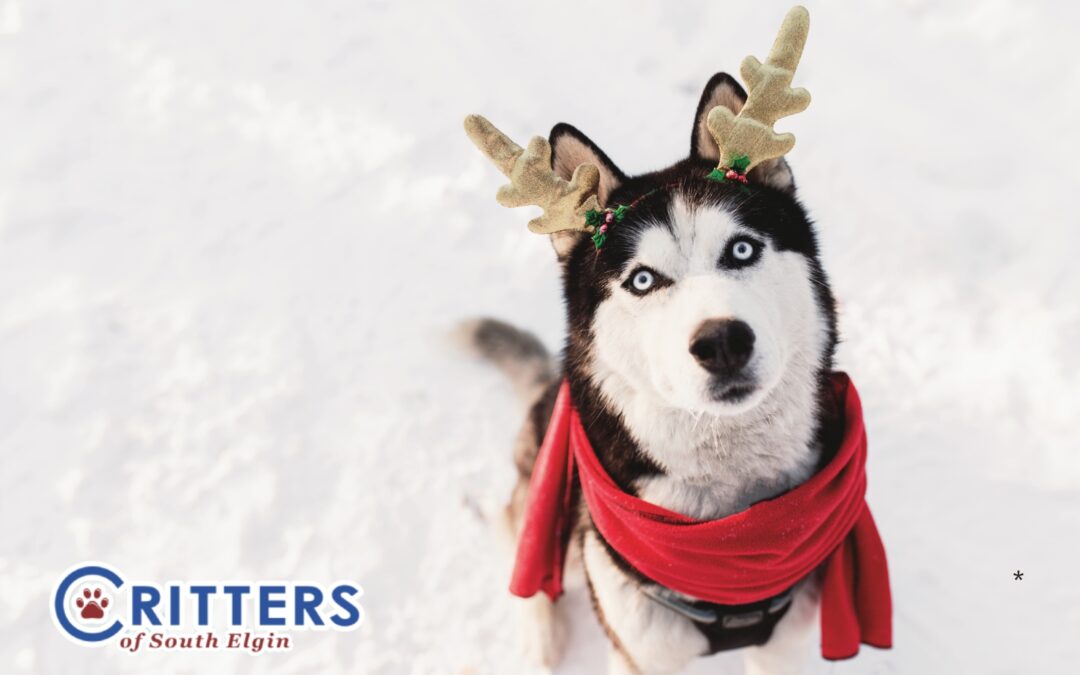
The holidays bring a lot of fun, but they also bring new hazards for pets. Between tinsel, chocolate, and visitors coming and going, your home can quickly turn into a minefield for a curious cat or a mischievous dog. Pet-proofing lets you create a space that’s safe for everyone, furry family members included.
Decorate With Your Pet in Mind
Those sparkling ornaments and dangling ribbons may look magical to you, but to your pet, they look like toys. Put delicate glass ornaments higher on the tree and opt for shatterproof ones lower down. Avoid tinsel altogether.
Keep cords and string lights tucked away or secured with cord protectors. Cats love to chew on anything that dangles. And if you’re using a real tree, vacuum up fallen needles frequently so your pets don’t eat them.
Finally, make sure you anchor your tree securely. Dogs can knock it over with one enthusiastic tail wag, and cats might see it as their new climbing challenge.
Be Mindful of Food and Treats
Holiday treats can contain ingredients that are toxic to pets, like chocolate, xylitol (a sugar substitute found in baked goods), grapes, raisins, onions, and alcohol. Even small amounts can cause serious problems.
Keep all food out of reach and remind guests not to feed your pet from the table. If you want to include your pet in the festivities, pick up some seasonal treats made just for them.
Create a Calm, Safe Zone
The holidays can be overwhelming for pets. Give your furry friend a quiet retreat, like a crate, bed, or spare room, where they can get away from the commotion. For anxious pets, a pheromone spray or calming treat can help them feel more at ease when the festivities ramp up.
Candles and Scents
Candles, wax melts, sprays, and potpourri make the season cozy, but they can also pose risks. Always place candles well out of reach and never leave them unattended. Some essential oils and air fresheners (like tea tree oil, cinnamon, and cloves) are toxic to cats and dogs, so stick to pet-safe options.
Have a Happy (and Safe) Holiday Season
The holidays should be full of joy, not trips to the emergency vet. With a little awareness (and maybe a few pet-friendly gifts under the tree), you can celebrate the season knowing your best friend is happy and safe. For Tips & Tricks, stop into Critters Pet Shop of South Elgin today!
by Critters Pet Shop of South Elgin | Nov 14, 2025 | Grooming
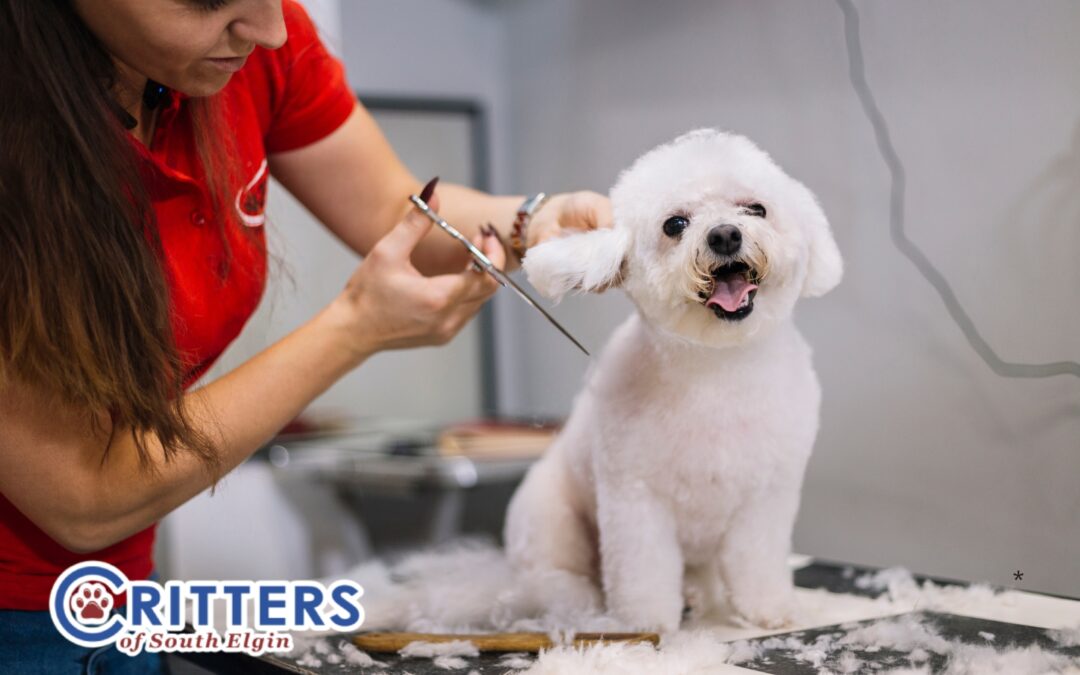
As winter sets in, your pet’s coat begins to change, at least if you let their coat do what it’s designed to do. With the right approach, you can keep your pet warm, comfortable, and free from matting or dryness all winter long.
Let the Winter Coat Develop Naturally
Many breeds grow a thicker undercoat when the weather cools, but frequent clipping or shaving can interfere with this process.
If your pet normally sports a shorter cut during the summer, you’ll want to plan ahead for winter. Around early fall, start letting the coat grow out so it has time to develop properly before temperatures really drop. A longer coat traps air close to the body, acting as insulation against the cold.
Brush More, Not Less
It’s easy to assume that winter grooming means less brushing, but that’s exactly when your pet needs it most.
Brushing stimulates natural oils in your pet’s skin, helping prevent dryness, and also removes loose fur and debris so the coat can fluff properly for insulation.
For double-coated breeds, use an undercoat rake or slicker brush to reach down through dense fur. Short-haired dogs and cats still benefit from a good rubber brush or mitt to boost circulation and shine.
Bathing in Winter: Less Is More
Frequent bathing in cold months can strip away the natural oils that protect your pet’s skin and coat. Instead of weekly washes, aim for once a month.
Use lukewarm water, a gentle moisturizing shampoo, and dry your pet thoroughly afterward. A towel followed by a quick blow-dry on a low-heat setting works well.
Trim, Don’t Shave
Winter isn’t the time for a close trim. You don’t want to remove the natural barrier your pet needs to stay warm. But trimming long fur around certain areas helps with cleanliness and comfort:
- Trim hair between paw pads to keep ice, salt, and debris from sticking.
- A neat trim of the hindquarters keeps snow or mud from clinging.
- Keep hair around the eyes and ears short so moisture doesn’t get trapped, which can lead to irritation or infection.
Pay Attention to Indoor Air
Indoor heating systems dry out the air and your pet’s coat along with it. That’s why hydration is part of winter grooming. Make sure your pet always has access to fresh water, and consider using a humidifier to balance the air indoors.
Know Your Pet’s Breed and Coat Type
Not every pet’s coat behaves the same in winter. Double-coated breeds will shed their undercoat in spring and fall, while single-coated breeds rely more on external warmth from clothing or bedding. Short-haired dogs may need a sweater when heading outdoors, while those bred for northern climates often prefer the cold.
As the weather turns frosty, let that coat do what nature intended. With just a bit of upkeep (and maybe some extra cuddles by the heater), your pet will stay cozy and ready to face winter in style. We offer many grooming options for your pets needs at Critters Pet Shop of South Elgin.