
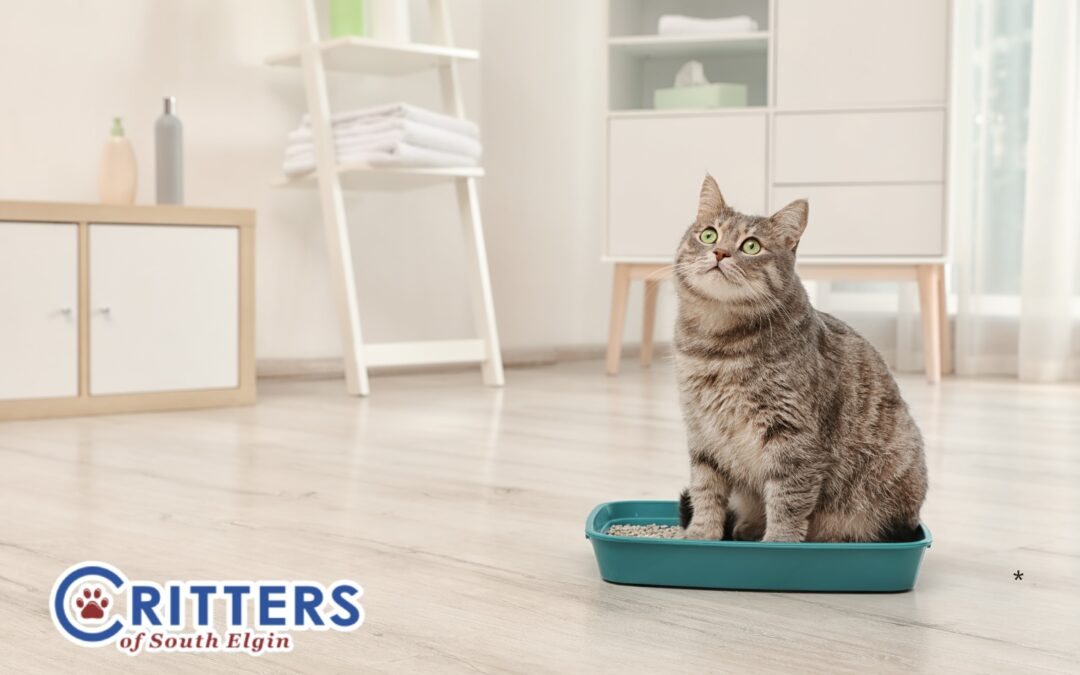
One of the most common (and frustrating) issues cat owners face is when their cat suddenly stops using the litter box. While it might feel like your cat is being “naughty,” most of the time, it’s their way of telling you something isn’t right.
Here are the top reasons behind litter box problems—and how you can help:
1. The Box Isn’t Clean Enough
Cats are naturally clean animals. If the litter box smells or hasn’t been scooped recently, many cats will look for a cleaner spot (like your rug).
Solution: Scoop daily, wash the box weekly, and replace litter regularly.
2. Litterbox Location
Cats like privacy and quiet when they use the bathroom. If the litter box is in a busy hallway, near loud appliances, or too close to their food, they may avoid it.
Solution: Place litter boxes in calm, low-traffic areas where your cat feels safe.
3. Not Enough Boxes
The golden rule: one box per cat, plus one extra. Multiple cats sharing one box can cause territorial issues and stress.
Solution: Add more boxes in different areas of the house.
4. Litter Preferences
Some cats dislike certain textures or scents in litter. Switching brands, using heavily perfumed litter, or filling the box too high can all cause problems.
Solution: Try different litters—unscented clumping litter is often a safe bet.
5. Medical Issues
If your cat suddenly stops using the litter box, a health problem might be the cause. Urinary tract infections, bladder stones, arthritis, or digestive troubles can all make it painful or difficult to use the box.
Solution: Always rule out medical issues with a vet visit.
Cats don’t avoid the litter box out of spite—they’re communicating. By keeping their box clean, providing options, and watching for signs of stress or illness, you can get your cat back on track and keep your home accident-free.
Why Cats Scratch (and How to Save Your Furniture)” – explain the natural reasons behind scratching and how to redirect it.
- Explain the natural instincts behind it:
- Nail Maintenance – scratching helps cats shed the dead outer layer of their claws.
- Stretching & Exercise – it’s like yoga for cats; scratching gives them a full-body stretch.
- Territory Marking – scratching leaves both a visual markand a scent mark from glands in their paws.
- Stress Relief & Fun – cats scratch when they’re excited, anxious, or just plain happy.
- Furniture often has theperfect texture (cloth, wood, leather).
- Placement: couches, chairs, and door frames are often in high-traffic areas, ideal for marking.
- Cats scratch where people spend time—it’s a way of being part of the “social hub.”